
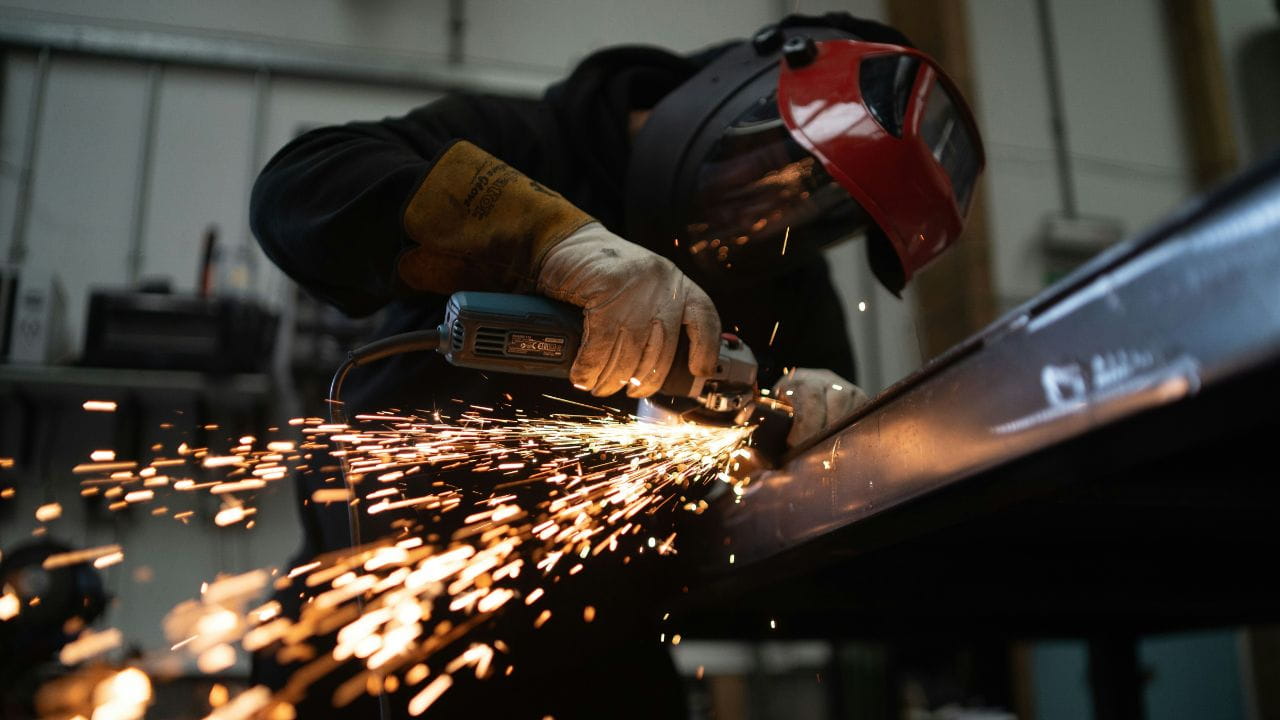
When you hear the word “manufacturing,” what comes to mind? For many, it’s distant images of loud factory floors, monotonous assembly lines, and oily, outdated machinery. It’s dangerous and dark working conditions. It’s a male-dominated, physically taxing industry. But in reality? All of these are just preconceptions. Manufacturing is nothing like what it used to be.
While still critical to the economy, modern manufacturing looks very different than it did just decades ago. New technologies, automated systems, sustainable processes, and enhanced quality control have brought the field to new heights. Today, manufacturing offers a wide range of high-tech, high-skill career paths, covering many different sectors and specializations.
If you crave innovation, hands-on problem-solving, and cutting-edge work, manufacturing is the industry for you. Plus, there are many different areas of manufacturing you can break into, depending on your interests and goals.
Let’s explore the diverse sectors of manufacturing and career paths available.
The primary pillars of manufacturing
Before we dive into the various sectors of manufacturing, let’s first break down the building blocks of this industry. Generally speaking, there are five pillars that keep manufacturing a well-oiled machine. These ensure preliminary concepts turn into finished products, and consumers’ needs are consistently met with high-quality manufacturing goods:
- Design and development: The planning phase, or first step to imagining and creating products that work.
- Production: Bridging the gap between ideation and tangible goods, production is the process that brings materials to life.
- Quality management: Once products are made, they must be tested for consistency, compliance, accuracy, safety, and reliability.
- Supply chain and logistics: Bringing products to shelves and into the hands of consumers.
- Continuous management: Even as products are finished and orders are fulfilled, management is needed to stay efficient and grow.
As you can already see, manufacturing isn’t a single job. Rather, it’s a broader system of interconnected sectors and specialties. From the first design sketch to the final product delivery, each pillar plays a critical role in creating safe, high-quality goods for consumers.
Now begs the question, where do you fit into this all? Let’s explore the exciting areas of manufacturing you can pursue when starting a career.
Areas of manufacturing you can pursue at Goodwin
Goodwin University is a recognized manufacturing and machining school in Connecticut. While there are many different areas of manufacturing you can sink your teeth into, the following pathways are directly available through one of our flexible, hands-on training programs.
1. CNC machining
Computer numerical control, or CNC for short, is a type of machining that runs on automation. CNC means that certain types of production machinery (lathes, mills, drills, and more) are run using computer-based systems, increasing their precision and efficiency. CNC machinists, also called CNC operators, are needed to oversee and maintain these machines. And that’s where this program comes in. Goodwin offers multiple CNC training programs at the certificate and associate degree levels, enabling aspiring workers to specialize in CNC in as little as five months.
2. Metrology
Metrology is the science of measurement (and in manufacturing, precise measurement is everything). More specifically, metrology ensures that manufactured products meet exact specifications from start-to-finish. Metrology technicians use advanced measuring equipment like micrometers and coordinate measuring machines (CMMs) to interpret technical drawings. They play a critical role in maintaining accuracy across the production process. At Goodwin, students can gain hands-on experience with industry-standard tools and techniques directly within the Metrology certificate program. Our focus on career-readiness is aimed at preparing students for jobs they love, right after graduation day.
3. Manufacturing engineering technology
Manufacturing engineering technology (MET) blends engineering principles with hands-on production processes. Professionals in this field work to design, improve, and optimize manufacturing systems, ensuring that everything is efficient and of top-quality. Goodwin’s Manufacturing Engineering Technology degree program equips students with both the technical knowledge and practical skills needed to make an immediate impact in modern manufacturing environments.
4. Quality management and assurance
Quality management (QM) and quality assurance (QA) are extremely important in ensuring that manufactured products are safe, tested, and accurate. However, this is more than just an end-of-production process. Quality management professionals are integrated throughout product development to help ensure standards are met at every phase. Goodwin’s Quality Management Systems program, offered at the associate degree level, teaches students how to support and implement quality management throughout production and beyond.
5. Manufacturing inspections
Manufacturing inspections are a vital checkpoint in the production process, ensuring that every part and product meets required specifications before reaching customers. These professionals have a strong eye for detail, flagging issues like defects, excessive waste, and/or safety concerns. Goodwin’s Quality and Inspections Training program prepares students with the hands-on training needed to perform accurate inspections and support QA efforts in a variety of manufacturing settings.
6. Welding
Welding is a foundational skill in manufacturing, used to adhere metal materials to facilitate the production and repair of goods. From building infrastructure to advanced machinery, welding is an extremely important area of manufacturing. However, it’s important to note that this hands-on field requires both technical knowledge and physical skill, as well as an understanding of different materials and welding methods. At Goodwin, Welding students receive practical training that prepares them for in-demand welding careers across a range of industries.
7. Management and supervision
Behind every successful manufacturing operation is a team of strong leaders guiding its processes and people. Management and supervisory professionals oversee production teams, coordinate workflows, and ensure that goals are met efficiently and safely. These roles require a combination of technical knowledge, communication skills, and leadership ability. Goodwin’s Manufacturing Management program, offered at the bachelor’s degree level, helps students build the management and decision-making skills needed to step into supervisory roles and lead teams in today’s fast-paced manufacturing environments.
Explore even more popular types of manufacturing here!
Major areas of manufacturing where you can actually work
Once you have completed your education and training, you will have the pick of the litter when it comes to career options. The manufacturing industry is currently facing a workforce shortage and is in need of professionals like you.
Still unsure? Here are some of the various areas of manufacturing in which you can work:
- Aerospace and defense manufacturing
- Automotive manufacturing
- Chemical and process manufacturing
- Consumer goods, such as items for everyday use
- Electronics and technology manufacturing
- Food and beverage manufacturing
- Industrial machinery
Learn more about your manufacturing career options here.
Break into the diverse field of manufacturing!
Manufacturing is one of the most dynamic fields you can pursue, with a blend of hands-on, forward-thinking, high-tech roles at the forefront of the industry. Not to mention, manufacturing employers tend to offer high salaries and generous benefits packages to dedicated workers. With so much opportunity, it’s clear why manufacturing jobs have become so appealing: They offer versatility, excitement, and innovation, as well as professional fulfillment.
Get started with Goodwin University’s manufacturing school today. Explore all our different areas of manufacturing online, or contact us at 800-889-3282 to learn if this field is right for you.
Goodwin University is a nonprofit institution of higher education and is accredited by the New England Commission of Higher Education (NECHE), formerly known as the New England Association of Schools and Colleges (NEASC). Goodwin University was founded in 1999, with the goal of serving a diverse student population with career-focused degree programs that lead to strong employment outcomes.