
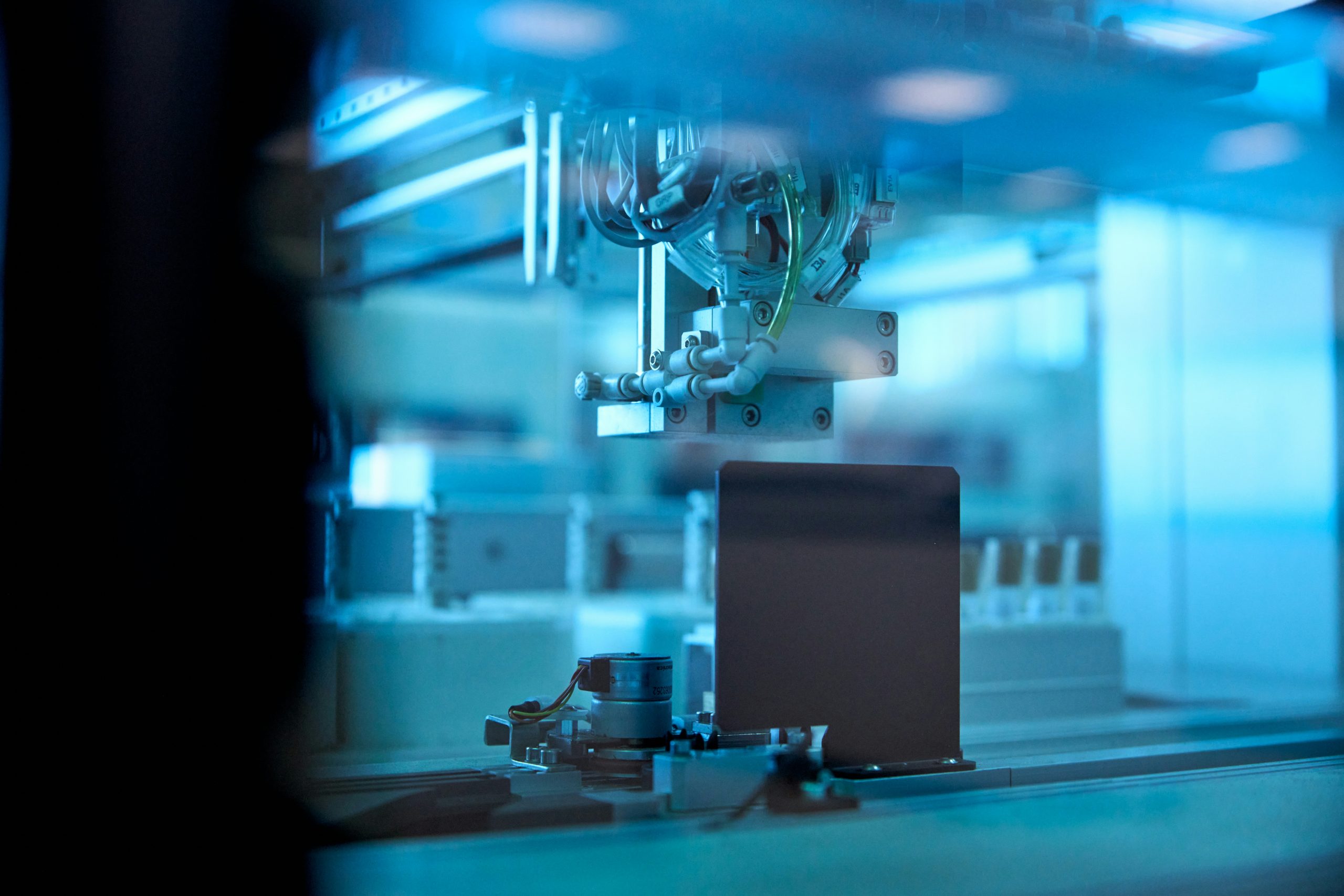
When many people hear the word manufacturing, it’s easy to picture something old. Rusty. Creaky. Outdated factories, repetitive work, or careers that are slowly disappearing. But that image couldn’t be further from the truth of the modern manufacturing industry.
Manufacturing is undergoing a vast transformation. Artificial intelligence, innovative technology, and advanced workforce strategies are all reshaping what the industry looks like, and more importantly, who it needs.
For students like you, deciding what to study or where their career might lead, these manufacturing industry trends point to something important: manufacturing is no longer just a stable career option. It’s becoming a high-tech, future-ready field with room for growth, creativity, and leadership.
So, let’s break down what’s changing and why it should matter to you.
Manufacturing industry outlook shows an innovative, tech-driven industry
Deloitte Research Center’s annual manufacturing industry outlook has been released for 2026, and its findings continue to reflect the evolving nature of manufacturing.
One of the most significant manufacturing industry trends in 2026 will be the continued rise of smart manufacturing, meaning that data, connected devices, automation, and AI will increasingly power factories and production systems.
In practical terms, manufacturers are using technology to:
- Monitor machines in real time
- Predict maintenance issues before breakdowns happen
- Optimize production schedules automatically
- Test ideas digitally before building anything physically
This isn’t science fiction. It’s already happening, and it’s accelerating.
If you’re interested in technology, systems, or problem-solving, manufacturing is becoming a place where those skills matter every day. Modern manufacturing roles often involve working with dashboards, simulations, software tools, and connected systems, not just physical equipment.
You don’t have to be “good with your hands” to succeed anymore. You need to be curious, adaptable, and comfortable learning new technology. That makes manufacturing a compelling option for students interested in STEM, IT, engineering, analytics, or even design and UX.
AI is changing jobs, not eliminating them
AI is a significant part of this year’s manufacturing industry outlook, and understandably so. But while headlines often suggest AI will replace workers, the reality inside manufacturing looks different.
Manufacturers are using AI to:
- Capture expert knowledge from experienced workers
- Speed up training for new employees
- Reduce repetitive or dangerous tasks
- Support faster, better decision-making
Instead of replacing people, AI is becoming a co-pilot. It’s helping workers do their jobs more effectively.
For students just entering the workforce, this shift is a huge advantage. AI tools can help you learn faster, contribute sooner, and gain confidence earlier in your career. You’re not expected to know everything on day one — the systems are designed to support learning and growth.
This also means career paths may move faster. When technology helps close experience gaps, motivated early-career professionals can take on responsibility sooner than in more traditional industries.
Learn how you can enter the manufacturing industry through Goodwin University
Manufacturing careers are more diverse than you think
Manufacturing careers now extend far beyond the factory floor. Yes, production roles still matter, but growth is also happening in areas like:
- Supply chain and logistics planning
- Data analysis and systems optimization
- Digital operations and smart factory management
- Customer experience and aftermarket services
- Sustainability and process improvement
Manufacturing today is an ecosystem of roles. Many of which blend technical skills with communication, creativity, and strategic thinking.
This flexibility means you don’t have to fit a single mold to work in manufacturing. Students with interests in business, technology, operations, or even customer experience can find roles that match their strengths.
Manufacturing isn’t one career. It’s a platform that supports many career paths, often with opportunities to move laterally and grow over time.
The industry needs new talent
Manufacturers are actively looking for:
- Tech-literate graduates
- Adaptable learners
- Problem-solvers who can grow with new systems
- Students who are comfortable with change
Entering an industry that needs new talent puts you in a stronger position. Employers are more willing to invest in training, mentorship, and career development when the pipeline is at stake.
For students, that can mean:
- Faster onboarding and skill-building
- Clearer advancement opportunities
- Greater job security over time
Instead of competing in overcrowded job markets, manufacturing offers space to grow and to be noticed.
Manufacturing lets you see the impact of your work
Manufacturing plays a role in nearly every aspect of modern life. There continues to be investment in areas like:
- Semiconductors and data centers
- Energy and infrastructure
- Advanced materials and automation
These aren’t abstract products. They power hospitals, transportation systems, communication networks, and clean energy solutions.
If you want a career where you can see the results of your work, manufacturing delivers. You’re helping build real things that people rely on — not just optimizing numbers on a screen.
That sense of purpose is one reason many professionals stay in manufacturing long-term. The work feels tangible, meaningful, and connected to the real world.
Competitive pay and long-term stability
As manufacturing becomes more advanced, companies are competing for skilled workers who understand both technology and operations. That competition often translates into:
- Strong starting salaries
- Employer-funded training and certifications
- Clear career pathways
From a return-on-investment perspective, manufacturing continues to be a solid option for students weighing education costs against future earning potential.
You don’t have to choose between meaningful work and financial stability. Manufacturing increasingly offers both — especially for graduates who are willing to learn and adapt alongside new technologies.
The big picture
The manufacturing industry outlook for 2026 makes one thing clear: this industry is evolving, not declining. The most important manufacturing industry trends — AI, smart systems, workforce transformation, and digital investment — all point toward growth.
For students, that means manufacturing careers are becoming:
- More technology-driven
- More flexible
- More resilient to change
- More aligned with future skills
Manufacturing today isn’t about standing still. It’s about learning continuously, solving real problems, and helping build the systems that power the world.
If you’re looking for a career that combines innovation, stability, and impact, manufacturing deserves a serious look now more than ever.
Learn more about manufacturing programs at Goodwin University to see if manufacturing is a good career choice for you.
Goodwin University is a nonprofit institution of higher education and is accredited by the New England Commission of Higher Education (NECHE), formerly known as the New England Association of Schools and Colleges (NEASC). Goodwin University was founded in 1999, with the goal of serving a diverse student population with career-focused degree programs that lead to strong employment outcomes.