
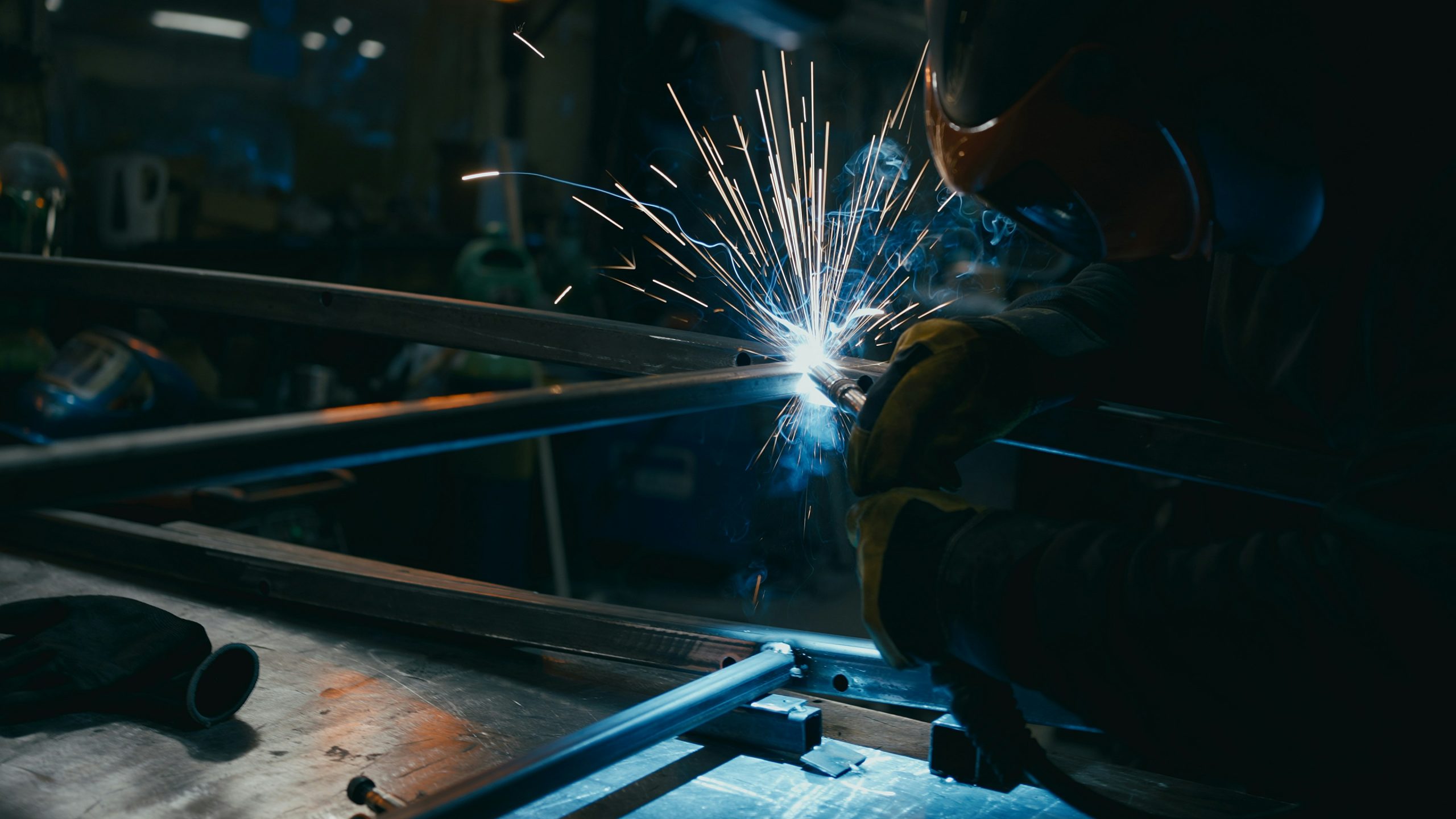
Manufacturing is evolving faster than ever before. Once defined by manual labor and simple mechanical processes, today’s facilities are powered by automation, robotics, advanced materials, AI, and interconnected digital systems.
The field remains a pillar of the U.S. economy, contributing roughly 10% of national GDP, with more than 12.7 million Americans working in this innovative, fast-paced sector. But there’s a significant problem: Employers can’t find workers with the skills they need to fill these positions.
Why now is the time for advanced manufacturing skills
Connecticut manufacturers face a critical challenge. Nearly two-thirds plan to hire additional employees in 2026, yet 82% of them cite skills gaps as their biggest hiring obstacle. This isn’t a shortage of jobs; it’s a shortage of workers trained to do them.
As Baby Boomers rapidly retire, they’re taking decades of institutional knowledge with them. Simultaneously, automation and digital systems have fundamentally changed the work required in manufacturing.
The technician who can only operate a machine is no longer competitive. Today’s employers need workers who understand digital systems, troubleshoot complex equipment, maintain quality standards, and adapt quickly as technology evolves.
For workers willing to invest in their skills, this gap creates an enormous opportunity. Employers are actively seeking qualified manufacturing technicians, and they’re willing to invest in the right candidates.
For example, nearly 20% of Connecticut manufacturers are offering apprenticeship support, 10% are providing tuition reimbursement, and others are expanding bonuses for advancement. Your employer may fund your training, especially if it strengthens their team.
What the data says about advanced manufacturing skills
Manufacturing remains one of Connecticut’s strongest and fastest-moving industries. As of August 2025, more than 153,600 Connecticut residents were employed in manufacturing roles, and the sector contributed $34.21 billion to the state’s GDP. Yet the hiring challenge is clear.
Here’s what’s shifted in employer preferences:
- 23% of manufacturers prefer candidates with a manufacturing certificate
- 15% seek applicants with a bachelor’s degree
- 16% require no formal education at all
What employers actually want is proof that you can do skilled technical work. A manufacturing certificate demonstrates exactly that: focused, hands-on competency in a specific area that employers need right now.
When an employer sees that you’re certified in CNC programming, welding, quality assurance, or automation, they know you can contribute immediately. They’re hiring someone ready to add value on day one.
This is why trained workers with advanced manufacturing skills now have a major advantage. Facilities continue adopting automation and precision technologies, and workers who invest in specialization are the ones who get hired, promoted, earn higher wages, and access the most competitive opportunities.
Learn advanced manufacturing skills at Goodwin University.
What advanced manufacturing skills really mean today
Advanced manufacturing skills don’t exist in isolation. Today’s workers need a blend of technical depth and professional versatility. The most in-demand skill areas all reflect how modern manufacturing has transformed:
Automation and CNC technology
CNC (Computer Numerical Control) machines and robotic systems form the backbone of modern production, from aerospace components to medical devices, where precision is everything.
But modern CNC work isn’t just machine operation. Technicians who understand both machine operation and digital troubleshooting can diagnose problems before they cause costly downtime, which is why employers pay premiums for this skill set.
Workers trained in CNC programming and maintenance often transition into supervisory roles, managing production schedules and leading continuous improvement initiatives across facility operations.
Quality assurance and inspection
As production becomes more automated, the demand for quality specialists grows. Whether you’re inspecting parts, ensuring compliance, or leading continuous improvement initiatives, quality roles require both technical and analytical expertise.
These skills are vital for safety, accuracy, and regulatory compliance in fields like aerospace, biotech, and advanced materials.
Data and digital literacy
Modern manufacturing floors generate massive amounts of data. A technician who can read digital dashboards, interpret performance metrics, and troubleshoot using machine data takes on higher-level responsibilities and moves faster through advancement opportunities.
Understanding metrics, analytics tools, and machine data helps workers take on responsibilities that shape facility performance.
Welding and fabrication
Skilled welders remain in high demand across Connecticut and the US. Welding remains a core advanced manufacturing skill, supporting industries like renewable energy, aircraft assembly, structural fabrication, and medical technology.
Advanced welders, especially those trained in specialized or multi-process techniques, often enjoy excellent job stability and higher wages.
Leadership and operations management
Career advancement often means stepping into supervisory or management roles. These positions require communication, planning, team leadership, and strong strategic thinking, skills that can be developed through formal manufacturing management training.
In a modern facility, these skills don’t exist in isolation. Today’s workers need a blend of technical depth and professional versatility, and the right education can help them get there.
The benefits of advancing your manufacturing skills
Whether you’re already working in manufacturing or looking to enter the field, expanding your skills opens doors to higher salaries (CT’s average manufacturing wage was $100,745 in 2024, a 5.5% increase over the previous year).
You’ll also have more stable employment, with promotions and leadership opportunities as you gain experience. Manufacturing also gives you greater job flexibility and mobility with access to growing sectors like aerospace, biotech, and renewable energy.
Connecticut employers are also investing in workers who show initiative. Nearly 20% offer apprenticeship support, 10% provide tuition reimbursement, and others offer bonuses or paid advancement opportunities. This means your employer may help fund your training, especially if it strengthens the team.
Advance your manufacturing skills at Goodwin
As the work has become more technical, more digital, and more collaborative, workers who lack training are at risk of being left behind.
This creates an enormous advantage for workers who upskill. Whether your goal is to earn a promotion, transition to a new specialization, or increase your earning potential, developing advanced manufacturing skills is one of the best investments you can make.
Goodwin University offers hands-on training in CNC machining, welding, quality, manufacturing management, and automation, taught in state-of-the-art facilities and built around Connecticut employer needs.
Learn more about Manufacturing programs at Goodwin University to see what specialties are a good fit for you.
Goodwin University is a nonprofit institution of higher education and is accredited by the New England Commission of Higher Education (NECHE), formerly known as the New England Association of Schools and Colleges (NEASC). Goodwin University was founded in 1999, with the goal of serving a diverse student population with career-focused degree programs that lead to strong employment outcomes.