
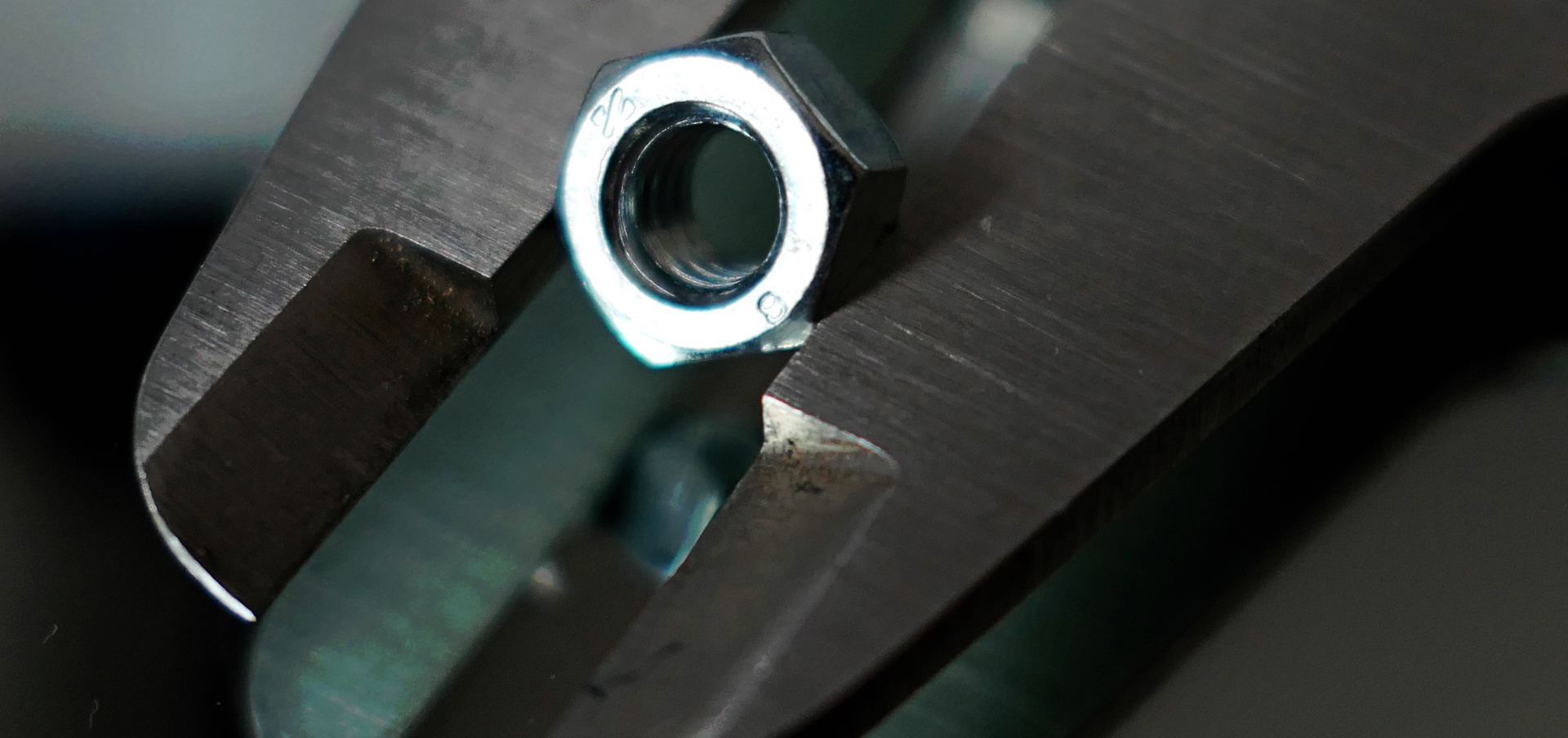
Precision. Accuracy. Calibration. Technology. These are just some of the many words you might think of when you hear about the study of “metrology.” Metrology is the science of measurement, used to create just about everything we encounter in our daily lives, from our laptop computers to the buildings around us to the airplanes in the sky.
Whether you’re interested in a certificate program, online only classes, hands-on workshops, or professional certifications, there are tons of metrology training options available, and it can be a bit overwhelming to navigate.
Below, we’ll cover what types of metrology training you can explore, as well as the certification pathways out there, the core skills you’ll need to succeed, and possible career outcomes in the field.
What is metrology and why does training matter?
For those new to the precision party, let’s start at the beginning. Metrology is the scientific study of measurement. Metrology specialists, also known as metrologists and metrology technicians, apply this scientific method to verify the accuracy and consistency of measurements, especially in manufacturing settings.
Metrology specialists use a variety of techniques to address the problems they encounter, including:
- Accuracy testing
- Calibration
- Process improvement and waste reduction
- Quality control
Why is there a necessity for this niche? Over time, manufacturing tools inevitably wear down. Even slight changes, such as dullness or microscopic shifts, can result in defects or inaccuracies. The practice of metrology minimizes these risks by ensuring that each manufactured piece meets exact specifications for size, shape, and performance.
In short, metrology helps ensure that the products we rely on every day work as intended.
Core competencies that metrology training develops
Those curious about this field should be prepared to learn its associated language. The practical and technical skills metrology courses teach include:
- Designing calibration protocols
- Interpreting GD&T (Geometric Dimensioning and Tolerancing)
- Operating coordinate measuring machines (CMMs)
- Ensuring measurement traceability
These are just some of the key skills and competencies you’ll develop in a metrology training program.
Learn CNC Metrology at Goodwin
Types of metrology training programs
Metrology training programs run the gamut, appealing to all types of learners and levels of commitment, from certificate programs to weekend workshops to full degree pathways.
There’s no one right way to enter the manufacturing or metrology field; the right choice depends on you — your current experience level, career goals, additional responsibilities, financial situation, and availability.
Before we explore the options in detail, the overarching themes remain the same. Metrology training of all levels prepares graduates for high-demand careers in precision measurement, calibration, and quality assurance.
Postsecondary certificate programs
There are many options to get your foot in the door in metrology and manufacturing. Many begin with a postsecondary certificate program, such as Goodwin’s CNC Machining, Metrology, and Manufacturing Technology certificate, designed to prepare students for entry-level metrology technician roles in a matter of months.
Besides classroom hours, the best Metrology certificate programs will also include hands-on lab work, making them ideal for both career changers and those seeking fast-track entry into manufacturing.
Associate and bachelor’s degree programs
In addition to certificate programs, more detailed and longer degree pathways are available. You may pursue a degree in metrology or pursue a similar pathway, such as the Manufacturing Engineering Technology program at Goodwin.
Even degrees that aren’t metrology-specific can include metrology as a core competency within an overall manufacturing foundation. And there are benefits to choosing a broader program! For example, a broader engineering foundation may be preferred for roles with supervisory or design responsibilities. In contrast, certificate programs focus on immediate job readiness.
Hands-on workshops and seminars
Outside of degree and certificate programs, there are also some in-person, intensive training options available, such as NIST’s Fundamentals of Metrology seminar, which is IACET-accredited and introduces participants to measurement systems, units, and good laboratory practices.
While one-off hands-on workshops are particularly valuable for learning to operate specific equipment and for networking with industry professionals, they’re less valuable for earning credentials and foundational education.
What you’ll learn in metrology training
The level of intensity and detail will vary according to which avenue of training you pursue. But no matter the program you decide on, coursework will likely include:
- Calibration and Quality Assurance
- Computer-Aided Machining (CAM)
- Data Analysis and Digital Metrology
- Geometric Dimensioning and Tolerancing (GD&T)
- Manufacturing Materials and Processes
- Measurement Fundamentals and Standards
- Precision Measurement Tools and Techniques
It’s important for the program you choose to incorporate a balanced blend of theory, such as measurement science, standards, and uncertainty, alongside the practice of equipment operation, data analysis, and calibration procedures.
Professional certifications you can pursue in metrology
Metrology training in a career-focused college or university like Goodwin prepares students for professional certifications, credentials that validate expertise, enhance career mobility, and differentiate candidates in the job market.
Coordinate Metrology Society (CMS) certification
An independent certification organization, the Coordinate Metrology Society (CMS) offers certifications to validate expertise in coordinate measuring machines (CMMs), GD&T interpretation, and precision measurement. Completing a program that includes some CMS credential certifications helps demonstrate your technical skills to employers in manufacturing and quality assurance.
ASQ certifications (Quality Technician, Calibration Technician)
Another certification body is the American Society for Quality (ASQ), which offers relevant metrology certifications, including the Certified Quality Technician (CQT) and Certified Calibration Technician (CCT), both of which validate knowledge of calibration, inspection, measurement systems, and quality control practices.
Manufacturer-specific certifications
Some equipment manufacturers, such as ZEISS, Mitutoyo, and Hexagon, offer proprietary training and certification programs for their measurement systems. Depending on your work situation, this type of certification may make sense to pursue (and will probably be paid for by your employer).
Metrology career paths and job outlook
Finally, you’re ready to get into a job and start working on a manufacturing floor with a team. Your metrology training prepares graduates for a wide swath of interesting and high-demand careers in precision measurement, calibration, and quality assurance.
Entry-level roles: Metrology Technician and Quality Technician
When you first graduate, you’ll be equipped to perform entry-level roles performing inspections, operating measurement equipment, documenting results, and supporting quality control processes.
While these may seem simple enough, they aren’t for amateurs. You’ll need a certificate in hand to accomplish these roles before moving on to more advanced positions over your career.
Mid-level roles: Metrologist and Calibration Specialist
As you progress in your career, you’ll gain experience, which leads to expertise and opens up success in more complex measurement tasks, equipment calibration, and uncertainty analysis, as well as training junior technicians.
Along the way, you’ll find the right time to accrue professional certifications like CMS or ASQ to advance and succeed in new roles.
Advanced roles: Metrology Engineer and Quality Manager
After you’ve proven your salt and earned your stripes, senior positions, typically requiring a bachelor’s degree and/or extensive experience, open up, whether you’re designing measurement systems, leading quality initiatives, or managing metrology labs. Manufacturing needs the experience you’ve accumulated over a metrology-focused manufacturing career.
Industries hiring metrology professionals
The most precise industries rely on Metrology professionals, including aerospace and defense, automotive manufacturing, medical device production, electronics, and precision machining.
Choose the right metrology training program
If you are attentive to detail, great at problem-solving, and passionate about mathematics, science, and innovation, industrial metrology — the application of metrology to manufacturing — is without a doubt the career path for you. It is a fitting career choice for someone interested in a hands-on, ever-evolving role.
Of course, you need the right education to get there. Metrology is a highly precise specialization within manufacturing, requiring specialized training and practical experience. Within the broad field of manufacturing, metrologists must also have a solid understanding of the processes and principles involved in the production and assurance of goods.
Goodwin’s accelerated Manufacturing program (where you can earn your certificate in CNC Machining, Metrology, and Manufacturing Technology) can help.
Learn more about the Metrology program at Goodwin University to see how you can break into this career path and land measurable success.
Goodwin University is a nonprofit institution of higher education and is accredited by the New England Commission of Higher Education (NECHE), formerly known as the New England Association of Schools and Colleges (NEASC). Goodwin University was founded in 1999, with the goal of serving a diverse student population with career-focused degree programs that lead to strong employment outcomes.
