
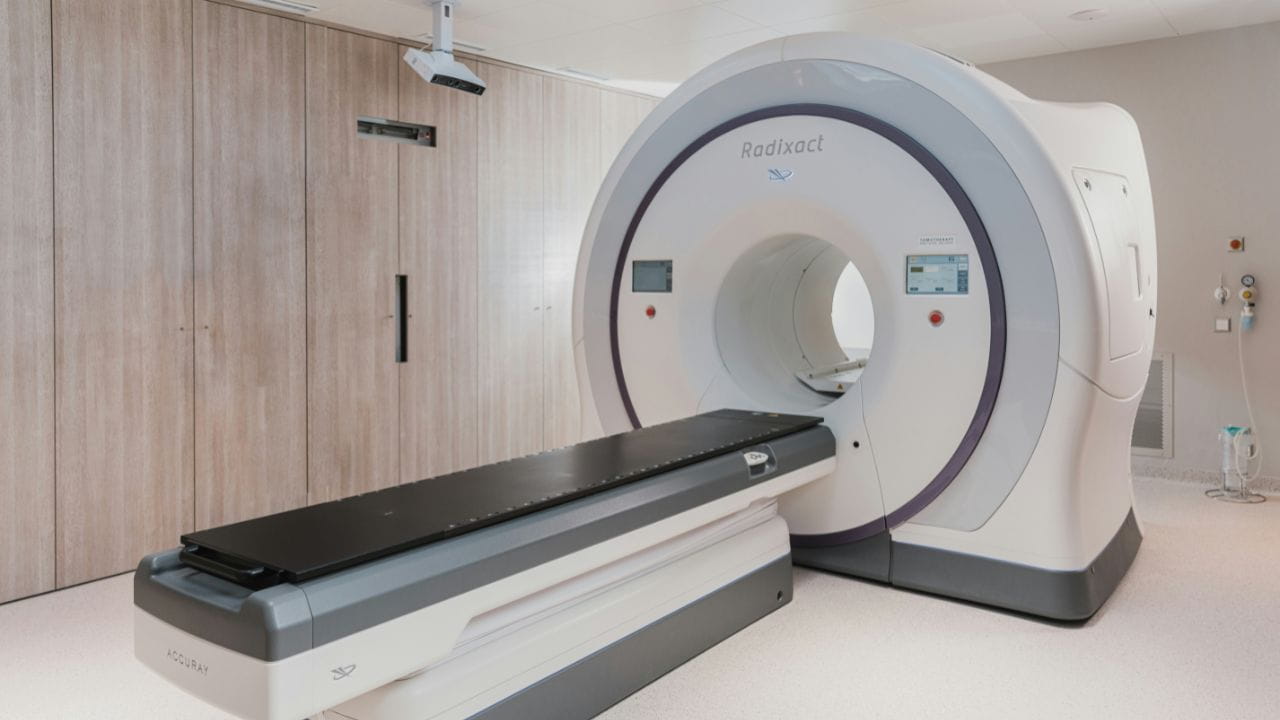
Magnetic resonance imaging, or MRI for short, is a powerful type of screening that is used in modern medicine. MRIs capture detailed images of organs and soft tissues, allowing physicians, surgeons, and other practitioners to detect and diagnose abnormalities. If you ever have concerns about your brain, back, spine, or joint health, an MRI is the primary tool that can evaluate what’s happening.
MRI technologists are the experts behind the equipment. A type of radiologic technologist, MRI techs specialize in magnetic resonance imaging. They can fully operate MRI machines and perform this testing from start to finish. On top of their technical skills, MRI technologists are well-versed in patient care, radiologic safety standards, and the human anatomy.
But these skills and competencies don’t come naturally. MRI technologists must complete rigorous training before they can launch a career. So, let’s unpack what the requirements are for MRI technologists and how to become one today.
MRI technologist requirements overview
The beauty of becoming an MRI technologist is that it does not take years of medical school. You can start making an impact in patients’ lives and on healthcare as a whole with just 2 to 4 years of training under your belt.
But what exactly do you need?
Educational requirements for MRI technologists
Most MRI technologists begin their career journey with an associate degree in a relevant healthcare field, such as Radiologic Technology or Diagnostic Imaging. These programs combine classroom instruction with clinical experience, giving students a strong foundation in anatomy, patient care, and imaging techniques.
Some schools also offer MRI-specific programs or certificates. However, these are much less common and often pursued after completing a broader Radiography degree. Bachelor’s degree programs may also be available, but are not required to start a career in this field.
Learn about the associate degree in Radiography at Goodwin!
Certification and licensing requirements for MRI techs
As of this writing, MRI technologists are not required to hold a license in every state. However, professional certification is typically expected by employers and can make MRI candidates stand out.
Many MRI techs earn credentials through the American Registry of Radiologic Technologists (ARRT). To qualify for this certificate, you must graduate from an ARRT-recognized program, successfully pass the examination, and meet certain ethical standards to practice.
Skills requirements for MRI technologists
MRI technologists are highly trained and skilled in their field. Most importantly, in order to qualify for this position, you must have the technical know-how and competencies needed to operate MRI equipment. In addition to these “hard” skills, MRI technologists also need to have certain soft skills to handle patient care. These skills requirements include, but are not limited to:
- Attention to detail, to get the most accurate and precise images for diagnosis
- Interpersonal skills, to interact compassionately with patients who may be stressed or in pain
- Mathematical skills, to calculate the proper amount of radiation or magnetic resonance emitted in imaging processes
- Physical stamina, to stand on their feet for long periods throughout the day, as well as to position and move patients as needed
How to become an MRI technologist
Ready to get started? Earn your Radiologic Technology degree and start earning as an MRI technologist within a few years, simply by taking the following steps.
1. Pursue an associate degree in a relevant field.
To become an MRI technologist, start with an associate degree in Radiography (or similar). This type of program will help you build the foundational knowledge and clinical skills needed to thrive in all types of patient care scenarios.
2. Get certified in radiologic technology.
Again, licensing for most MRI technologists is not required. However, many MRI technologists will voluntarily pursue professional certification through the ARRT. Professional certification is widely recognized and, therefore, can help expand job opportunities, increase earning potential, and exhibit your dedication to this field.
3. Specialize in magnetic resonance imaging (MRI).
Upon completing a Radiography program, you may consider seeking a specialized MRI training program to really develop your skills and practice on MRI machines. On-the-job training is another great way to specialize in, or at least get familiar with, MRI technology to see if there is a fit.
4. Gain hands-on experience.
While in school, you will gain access to clinical experiences and rotations at real healthcare clinics and hospitals, with real patients. Be sure to take advantage of this. Clinical rotations will help you refine your technical skills, maintain patient safety, and produce high-quality MRI images used for diagnosis.
5. Pursue licensure if it’s required in your state.
If your state does require licensing to practice as an MRI tech, be sure to research its specific requirements. Connecticut, however, does not require licensing statewide.
Become an MRI technologist at Goodwin University
Goodwin University offers a recognized Radiography program that’s both comprehensive and flexible. In as few as 20 to 24 months part-time, you can develop the foundational skills and training needed to prepare for an MRI technologist career.
Plus, when you graduate from our Radiography program, you’ll walk away with the knowledge needed to sit for the American Registry of Radiologic Technologists (ARRT) certification exam. This credential can prepare you for a variety of high-paying, in-demand roles across every corner of healthcare.
Request more information online today about our Radiography program!
Goodwin University is a nonprofit institution of higher education and is accredited by the New England Commission of Higher Education (NECHE), formerly known as the New England Association of Schools and Colleges (NEASC). Goodwin University was founded in 1999, with the goal of serving a diverse student population with career-focused degree programs that lead to strong employment outcomes.