
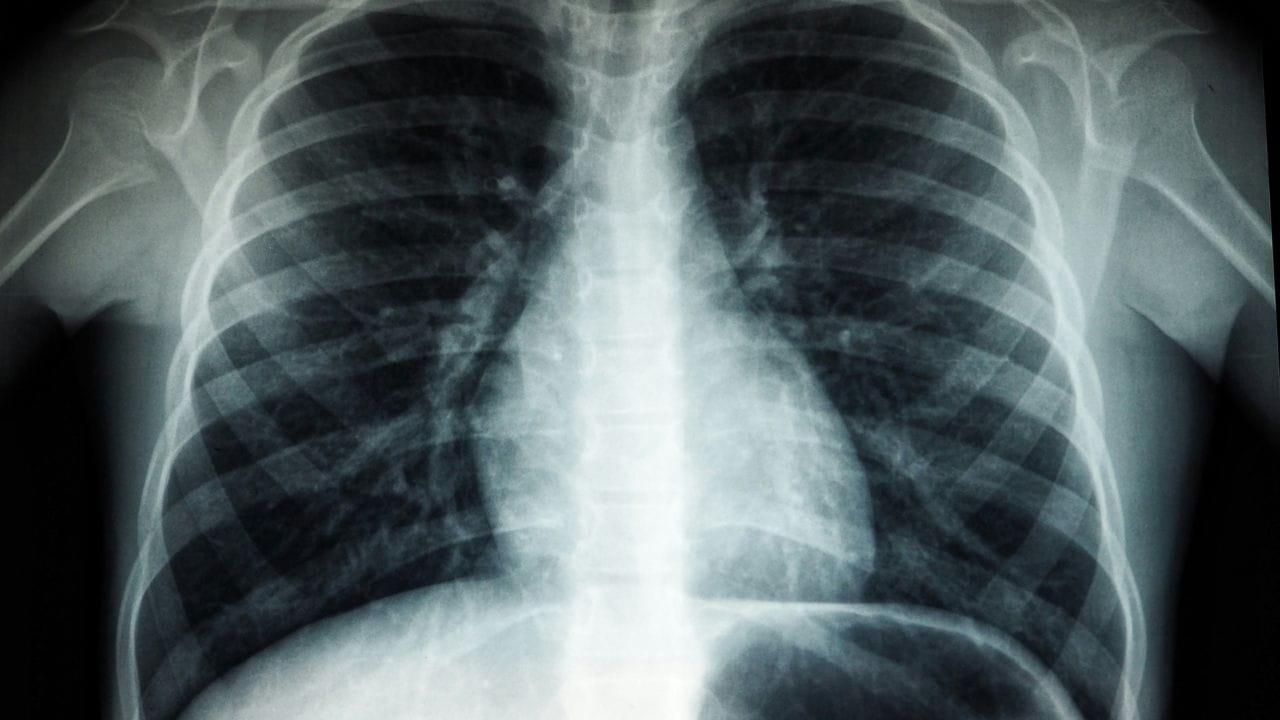
In healthcare, to get the treatment you need, you must have an accurate diagnosis. But before a surgeon can operate or a cast can be applied, a photo must be taken. Behind that image is the X-ray technician.
A specialized type of radiographer, X-ray technicians are the “eyes” of the medical team. They use high-tech tools to capture images of the human body, providing critical data to save lives. If you are considering a career that blends patient care with cutting-edge technology, the role of an X-ray technician might be your perfect fit.
But what does an X-ray technician do beyond just snapping a picture? Let’s unpack the job description, explore the core responsibilities of an X-Ray technician, and see how you can launch this rewarding career.
Core responsibilities of an X-ray technician
When people ask, “What does an X-ray tech do daily?” the answer often involves much more complexity than simply pushing a button. Radiographers, also known as radiologic technologists, are responsible for the entire imaging process, ensuring that the resulting images are clear enough for a radiologist to interpret accurately.
Here are some of the core duties of an X-ray technician:
Patient positioning
An X-ray is a 2D representation of a 3D body. What that means is that technicians have to move patients at specific angles to get the clearest possible view. X-ray technicians direct patients (and help those who can’t move well) into precise positions while ensuring they remain comfortable.
Safety protocols
X-rays let out radiation. So, technicians have to follow the ALARA (As Low As Reasonably Achievable) rule. That means keeping patients safe by shielding them with lead aprons and keeping the radiation as low as possible, while still getting a high-quality picture.
Equipment maintenance
These pros are the first line of defense for sophisticated machinery. They perform daily calibrations and troubleshoot technical errors to ensure diagnostic accuracy.
Record keeping
Accuracy extends to the digital file. Technicians update patient charts and ensure images are correctly attached to Electronic Medical Records (EMR) to prevent diagnostic errors.
Become an X-Ray technician at Goodwin University
Where can X-ray technicians work?
When you visualize this career, you likely picture a hospital hallway. While it is true that hospitals are the largest employers of radiographers, the versatility of the degree means you can work in a variety of environments. What does an X-ray technician do in these different settings? The core skills remain the same, but the pace and lifestyle can differ significantly.
- General medical and surgical hospitals: This is the most common setting. Techs will often rotate through different sections of the hospital, like the ER and the OR. As you can imagine, the pace of a hospital is fast and unpredictable.
- Urgent care centers: Compared to hospitals, technicians here usually work with smaller teams. You will see a high volume of patients with problems ranging from minor sports fractures to respiratory issues that require chest X-rays.
- Physician offices and orthopedic clinics: In private practices, the pace is much more predictable, as you’ll likely work the standard 9-to-5 with weekends off. In orthopedic clinics, you’ll work closely with bone specialists to image skeletons.
- Outpatient imaging centers: These are facilities dedicated to diagnostic imaging (MRI, CT, X-ray). Here, your day is based on scheduled appointments rather than emergencies.
- Mobile imaging services: This is a newer field where technicians, using portable X-ray equipment, take their services on the go. They travel to nursing homes, rehabilitation centers, or even correctional facilities and perform exams on-site.
Day in the life of an X-ray technician
To truly understand what an X-ray tech does, let’s put you in the shoes of a tech on a normal day.
Start of shift
The day begins with looking over the scheduled appointments and preparing the exam rooms. Once the tables are wiped, supplies are stocked, and the X-rays are ready, you’ll take in your first patient.
You often meet people when they are hurt, sick, or scared. A great technician greets patients warmly, explains the procedure clearly to reduce anxiety, and obtains a thorough medical history. You become a calming presence in a stressful environment.
Performing the scans
You will perform various exams ranging from chest X-rays to complex skeletal trauma series. Throughout the day, you’ll work with doctors who can read the images (radiologists). If an image isn’t clear due to blockage or a patient moving, you have to use your own judgment about whether to retake it.
End of shift
The day wraps up by sterilizing the equipment for the next shift and finalizing any outstanding reports.
Difference from other healthcare roles
Healthcare is all about teamwork across many disciplines. But everyone is trained differently. Here’s how X-ray technicians differ from nurses or sonographers.
X-ray technicians vs. nurses
Nursing focuses heavily on long-term bedside care, medication administration, and monitoring patients’ vital signs over a 12-hour shift. Radiography is more episodic: you see a patient, take a photo of their issue, and move on to the next. It is less about ongoing care and more about getting your patient immediate answers about their diagnosis.
X-ray technicians vs. sonographers (ultrasound techs)
While both are methods of medical imaging, the technology used is very different. X-rays use radiation to capture the bones and dense tissue in the body, suiting them for fractures and lung issues. Ultrasounds use sound waves to image soft tissue, making it well-suited for pregnancy scans and organ assessments.
This role is perfect for someone who loves technology and people but prefers brief, focused interactions over long-term caretaking.
Education and requirements
If this sounds like a career for you, the path to entry is straightforward but rigorous. You need at least an associate degree in Radiography to become an X-Ray technician. This degree provides the foundational knowledge of anatomy, patient care, radiation physics, and pathology.
Once you have completed your degree, you must obtain licensure. In the United States, this generally means passing the American Registry of Radiologic Technologists (ARRT) certification exams. This credential proves to employers that you have the skills necessary to operate safely and effectively.
Become an X-ray technician at Goodwin University
Radiography is a high-demand career because X-ray technicians do something nobody else can and many people need. As the population ages, the need for diagnostic imaging continues to rise, bringing with it many opportunities.
Goodwin University allows for hands-on training and extensive clinical placements, giving you real-world experience in various healthcare settings before you even graduate. No matter where you decide to work, from a busy ER to a quiet clinic, you can get into healthcare quickly and help people directly with advanced tech.
You can request more information about Goodwin’s Radiography program today and start your journey toward an associate degree.
Goodwin University is a nonprofit institution of higher education and is accredited by the New England Commission of Higher Education (NECHE), formerly known as the New England Association of Schools and Colleges (NEASC). Goodwin University was founded in 1999, with the goal of serving a diverse student population with career-focused degree programs that lead to strong employment outcomes.