
Patient care is the heart of an effective healthcare system. It goes beyond diagnosing and treating illness—it requires compassion, communication, and holistic support. High-quality care ensures that patients feel seen, heard, respected, and supported during vulnerable moments. And it’s up to patient care professionals (from nurses to patient care assistants) to deliver this level of care every day.
If you’re seeking a career that can make a real difference in the lives of others, patient care has likely come to mind. But what types of careers are available within this sphere? Patient care assistants, also called patient care associates or technicians, are a popular pathway for individuals who want to work with others, make a meaningful impact, and start working in healthcare fast.
Let’s explore what a patient care assistant is and what these professionals do.
What is a patient care assistant/patient care associate?
A patient care assistant, also called a patient care associate or PCA, is a type of healthcare professional who provides direct, hands-on support to patients in need. These professionals work under the direction of registered nurses and upper medical staff, ensuring that patients are comfortable, safe, and heard throughout their visit.
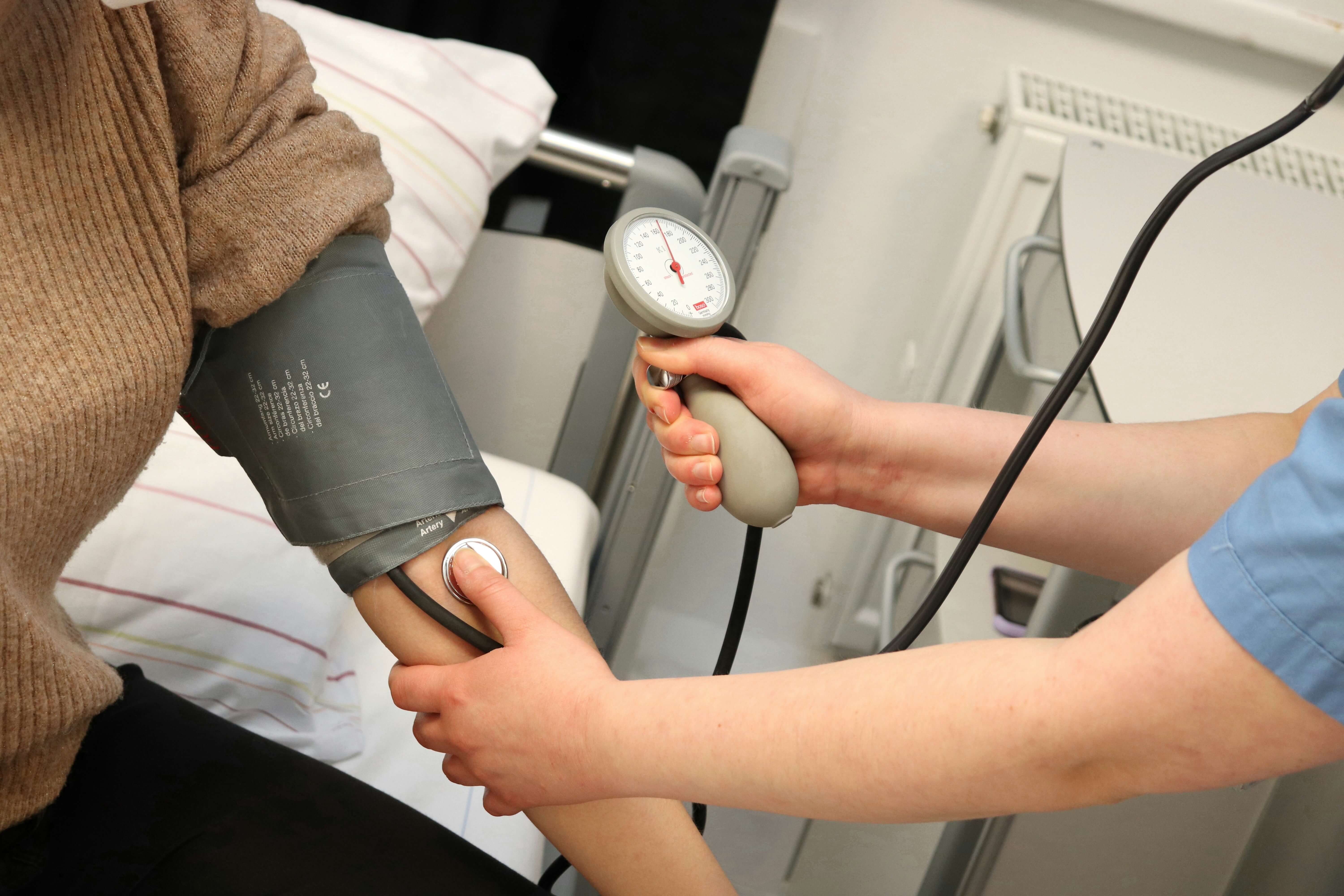
Patient care associates are essential to delivering high-quality care. They can be found helping patients with daily needs like eating and dressing, or carrying out basic clinical tasks like monitoring vital signs and performing EKGs. They also play an important observational role, noticing changes in a patient’s condition and communicating concerns to nurses or physicians.
Because of their level of involvement and time with patients, PCAs help create a supportive, compassionate care environment and serve as a vital link between patients and the broader healthcare team.
Patient care assistants and associates can be found working in hospitals, nursing homes, long-term care facilities, medical clinics, assisted living centers, and occasionally, the private homes of patients.
Become a patient care associate today!
Key duties and responsibilities of patient care assistants:
Patient care assistants’ role and responsibilities revolve around (you guessed it!) patient care. Their duties involve both clinical and supportive tasks to ensure patients feel seen, heard, and tended to while receiving care.
Below is an overview of the responsibilities of a patient care assistant:
- Assist patients with personal care needs, such as bathing, grooming, dressing, and feeding
- Aid patients with mobility, which might involve moving, turning, or transferring between beds and wheelchairs
- Collect laboratory samples for testing (blood, urine, etc.)
- Complete some administrative tasks, like maintaining records or cleaning medical equipment
- Ensure patients are comfortable, keeping rooms clean and stocked to meet their needs
- Help nurses with wound care and dressings
- Measure and record vital signs such as temperature, pulse, and blood pressure
- Perform electrocardiograms (EKGs)
- Observe and monitor for changes in patient symptoms, whether in mood, behavior, or physical condition
- Offer emotional support to patients during vulnerable moments
An important part of a patient care assistant’s role is their ability to carry out more technical, clinical tasks like EKGs and phlebotomy. This sets them apart from Certified Nursing Assistants (CNAs) and other healthcare support professions, as PCAs tend to have specialized training in these areas. At Goodwin University, for example, students of the Patient Care Associate program gain direct training and experiences in:
- Phlebotomy: Foundational and advanced phlebotomy skills are gained through coursework and several hands-on internships.
- Electrocardiograms: Students learn how to perform and read EKGs, and later apply those skills to practice through multiple internships.
Similar titles to patient care associates and assistants:
Patient care assistant and patient care associate are some of the most common titles you’ll find when researching patient-centered careers. However, these titles can get confused with some other popular career paths. Read on to learn about some of these alternative options and how they differ from the PCA role.
Certified nursing assistant
Certified nursing assistants, commonly called CNAs, provide hands-on care that’s very similar to that of patient care assistants. However, their scope of practice is a bit more limited in that they do not carry out technical tasks like phlebotomy or operate EKG machines. CNAs are also required to be state-certified, which requires the passing of a certification exam (whereas PCT/PCA certification is voluntary). Unlike many PCAs, CNAs have standardized credentials and regulated responsibilities.
Medical assistant
Medical assistants primarily work in outpatient or clinical settings, such as physician offices and clinics. Their role combines administrative duties (like appointment scheduling, medical billing, and record maintenance) with limited clinical tasks like taking vitals or preparing patients for exams. Unlike patient care assistants, medical assistants do not typically provide ongoing bedside care or assist with daily living activities. Learn more about the differences here.
Patient care technician
A patient care technician or PCT is actually a common, alternative title for patient care assistant. These professionals carry out the same or similar activities to PCAs; however, the title can vary by state and employer. Like PCAs, PCTs may draw blood, perform EKGs, or assist with daily living activities, depending on the setting.
Patient care advocate
While patient care assistants provide direct care, patient care advocates focus on supporting patients’ rights and advocating for their needs at a broader scale. They help patients navigate the complex healthcare system rather than providing physical patient care. This might mean helping patients understand a diagnosis, treatment options, insurance issues, and/or hospital policies.
Personal care assistant
Personal care assistants do not provide clinical care, but do offer support to patients to help facilitate daily living needs. Sometimes called PCAs, personal care assistants usually work in home or community-based settings, helping clients with functional activities like bathing, dressing, meal preparation, and light housekeeping. While similar to patient care assistants in hands-on support, personal care assistants typically do not work in medical settings.
Becoming a patient care associate
Patient care assisting offers an incredible and appealing pathway for many looking to enter healthcare for the first time: You can become a patient care assistant and start making an impact in the lives of others, all in a matter of months. To become a patient care assistant or associate, you just need a postsecondary certificate and some experience under your belt.
And now is the time to launch this career path. The U.S. Bureau of Labor Statistics (BLS) predicts that the need for healthcare support professionals will grow over 15% in the next decade, translating to thousands of career opportunities.
So why wait? Become a lifeline for patients in need. Learn how through Goodwin University’s Patient Care Associate Certificate program.
Goodwin University is a nonprofit institution of higher education and is accredited by the New England Commission of Higher Education (NECHE), formerly known as the New England Association of Schools and Colleges (NEASC). Goodwin University was founded in 1999, with the goal of serving a diverse student population with career-focused degree programs that lead to strong employment outcomes.