
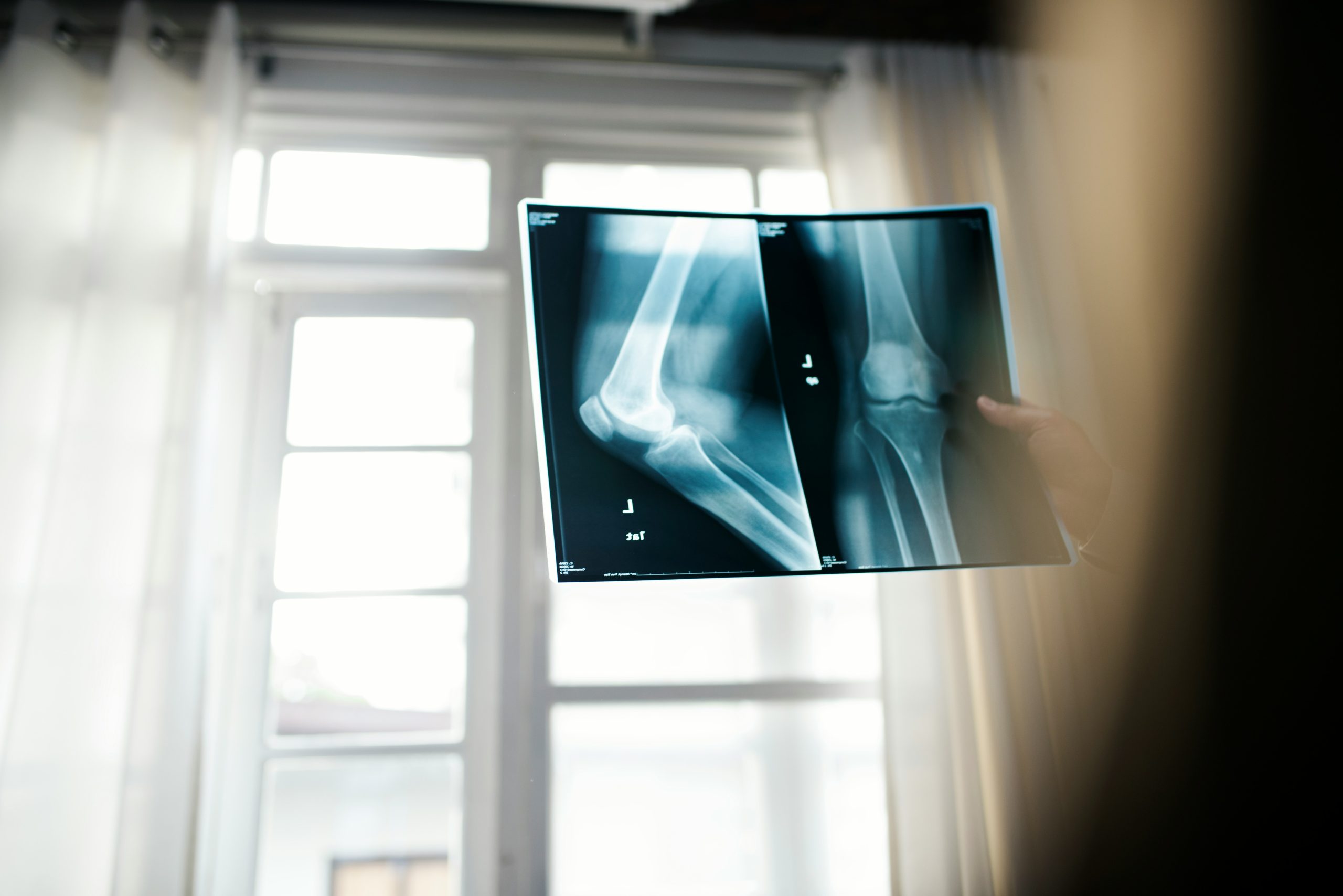
Listed among the best healthcare jobs in America, radiologic technologists play an ever-important role in medicine. These professionals perform diagnostic imaging exams on patients, helping to detect abnormalities in tissue, bones, blood, and more. Without radiologic technologists, also called radiographers, uncovering ailments like arthritis or pneumonia might not be possible.
On top of their contributions to healthcare, radiologic technologists boast great advancement opportunities, strong job stability, and a competitive salary. But how much do radiologic technologists make, exactly?
Let’s have a look at the radiologic technologist salary potential and see how much you can earn in this line of work.
Radiologic technologist salary statistics
According to the U.S. Bureau of Labor Statistics, radiologic technologists earn an average annual salary of $79,760, or $38.35 per hour, in the United States.
As of May 2024 (the latest salary data available), radiologic technologists in the 90th percentile earn six figures, or $106,990 annually on average, underlining the high potential for career advancement. Meanwhile, the lowest 10 percent (often those just entering the field, or in lower cost areas) earn upwards of $52,000 per year.
Education and experience can play an important role in your salary. The more you invest in your future, the more you’re likely to see in your paycheck. Of course, other factors go into salary potential, as well, which we explore below.
Salaries vary by industry
Industry and workplace environments play an important role in radiologic technologist salary ranges.
For example, those who have worked their way into management positions tend to earn the highest, an estimated $108,970 per year. Management as a radiologic technologist tends to involve supervising other radiologic staff, ensuring patient safety and quality care, and overseeing operations and patient flow more holistically.
Other high-paying workplaces for radiologic technologists include:
- Federal government agencies: $95,980 annually
- Home health care services: $95,140 annually
- Outpatient care centers: $94,230 per year
- Speciality hospitals: $89,250 per year
Salaries vary by state
Radiologic technologists’ salary potential can also vary significantly by state. The highest-paying states for radiographers today are California, Massachusetts, and Oregon.
According to this map from the Bureau of Labor Statistics, states across the West Coast and those in the Northeast tend to pay the most for radiologic careers. Connecticut is listed among the top 10 highest-paying states for radiologic technologists today.
Salaries vary by specialty
Like many healthcare professions, radiologic technologists have the opportunity to specialize—often leading to higher salary potential.
For example, many go on to become MRI technologists, specializing in Magnetic Resonance Imaging (MRI). These professionals operate and analyze the results of MRI scanners, while maintaining patients’ safety and administering contrast agents as needed. MRI technologists in the U.S. earn a notable $91,020 per year, on average. They have the potential to earn upwards of $120,000 annually, too, depending on where they work.
Other examples of radiologic specializations include mammography, computed tomography (CT), and interventional radiology (IR), where salaries also have the potential to reach six figures depending on your place of work and experience.
The radiologic technologist’s salary is just one benefit
Many radiologic technologists will tell you how much they love their job, and it’s not just for the financial reward. While the salary potential is high for radiologic technologists (especially as they grow upwards in the field!), there is also a ton of personal satisfaction that comes with the profession.
Some of the key benefits of becoming a radiologic technologist include:
A deep contribution to patient care:
Radiologic technologists help detect chronic diseases like cancer, broken bones and fractures, blood disorders, tissue abnormalities, brain trauma, and more. Their work directly impacts the treatment and outcomes of patients, despite not providing hands-on patient care. This leads to personal fulfillment for many: they have the ability to see the impact of their work in real-time, while connecting with a diversity of patients along the way.
Numerous opportunities to advance:
The beauty of a radiologic technologist’s career is that you do not need to stay put. There are multiple advancement pathways you can pursue and various areas you can specialize in, without an added investment in school. Radiologic technologists, with an associate degree and training/experience, can often move into careers as supervisors and instructors, as well as specialized CT, MRI, Mammography, IR, and Cath Lab technologists.
Fast entry into a fulfilling career:
We mentioned an associate degree a moment ago—did you catch that? To become a radiologic technologist today, you just need an associate degree to get started.
An associate degree in Radiography takes roughly two years to complete. In this type of program, you’ll receive a mix of academic study and hands-on clinical work. You’ll learn about radiation safety, diagnostic imaging and exposure, radiobiology, patient care and ethics, and more. You’ll master how to work with industry equipment, analyze diagnostic images, and operate in a real healthcare environment.
After earning a degree, you can qualify for professional certification (administered by the American Registry of Radiologic Technologists, or ARRT) and move into a successful career. Learn more about becoming a radiologic technologist here.
Become a radiologic technologist through Goodwin
The demand for radiologic technologists is high, with roughly 15,400 job openings expected each year across the U.S. Now is the perfect time to invest in your future.
If you’re looking for a career that is flexible, rewarding, and that pays well—where you have the opportunity to make a direct impact in others’ lives—radiography is a great option for you. The best part? It just takes two years in school to complete.
Goodwin University offers a flexible and comprehensive radiography program, where graduates have the opportunity to pursue ARRT certification and future careers as radiologic technologists, x-ray technicians, and more.
Learn about our associate degree in Radiography online today! Or call us at 800-889-3282 to request more information.
Goodwin University is a nonprofit institution of higher education and is accredited by the New England Commission of Higher Education (NECHE), formerly known as the New England Association of Schools and Colleges (NEASC). Goodwin University was founded in 1999, with the goal of serving a diverse student population with career-focused degree programs that lead to strong employment outcomes.