
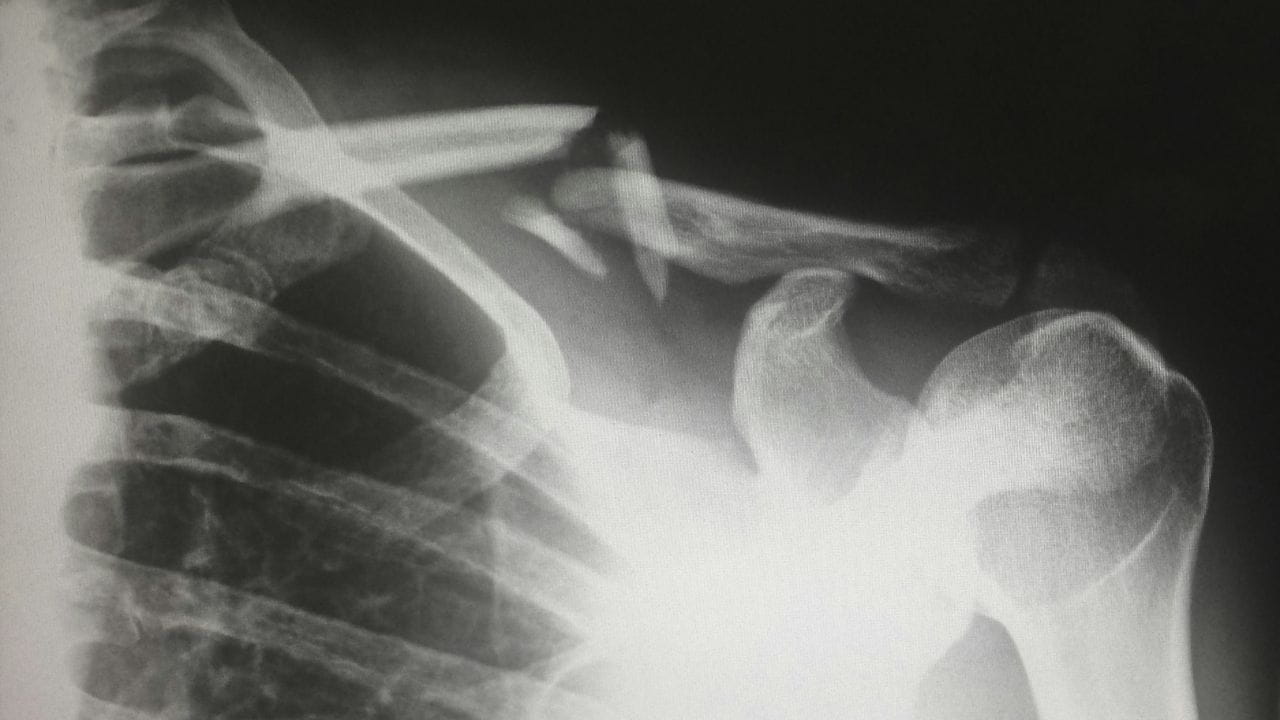
Radiologic technology, also known as radiography, plays a critical role in healthcare. It is foundational to the discovery and diagnosis of many conditions, including broken bones, internal injuries, blockages, infections, and chronic conditions like cancer. Surprisingly, though, many people don’t know much about the radiography profession. They often have questions like, “What do radiologic techs do?” and “Is radiology tech a good career?”
Despite being essential and established, radiologic technology often flies under the radar as a career path, while more “visible” professions like nursing stay top-of-mind. Radiologic technologists (rad techs for short) work more behind-the-scenes than other direct care positions, using advanced imaging equipment to detect health concerns and anomalies. Their work with patients is short-lived, but their impact on long-term patient care is significant.
If you are interested in a career that’s rewarding, respected, and high-tech, radiography is not just a good choice — it’s a great one. Radiologic techs work at the forefront of advancing medical technology and research. Not to mention, the road to becoming a radiologic technician or technologist is fast.
Read on to learn more about the field of radiology tech and why it’s such a promising career path.
Why radiology tech is a good career choice:
Radiologic technology is a profession that offers both personal and professional rewards. Here are some of the many benefits of a radiology tech career:
1. High job satisfaction and reward:
Perhaps one of the biggest benefits of a rad tech career is the ability to make an impact. This role offers the opportunity to change the trajectory of patient care by helping physicians detect, diagnose, and treat medical conditions. And, as many rad techs would tell you, it’s not a super high-stress role.
Radiologic technologists get to enjoy meaningful interaction with patients, but without the ongoing intensity of bedside care. Unlike doctors and nurses, radiologic techs are not responsible for the actual diagnosis and treatment of patients. Rather, their focus is on operating medical technology and capturing accurate imaging, striking a healthy balance between patient support and technical expertise.
2. Dynamic and engaging:
In a similar vein, the radiology tech path can be extremely exciting and engaging. No two days are the same in this line of work. Technologists find themselves working with different patients, conditions, and imaging needs every day. All the while, they get to use advanced medical equipment like X-Ray, MRI, CT, and ultrasound machines to fuel their day-to-day work. For those who enjoy both healthcare and technology, this career is one that will keep you on your toes.
3. Fast-growing field with high demand:
As noted previously, healthcare relies heavily on diagnostic imaging to diagnose and treat both disease and injury. As such, the need for radiologic technologists is never going away. These professionals can expect high job security and, as demand for medical services increases, an even greater demand for diagnostic imaging. In fact, the Bureau of Labor Statistics predicts that radiologic technologists and MRI technologists will experience significant growth over the next decade, adding roughly 15,400 job openings per year to fulfill the increasing demand.
4. Strong salary potential:
In addition to a bright job outlook, radiology techs can also look forward to excellent compensation in their roles. In the United States, the average annual salary for radiologic technicians and technologists sits at almost $80,000 per year. However, those working in outpatient care centers, federal agencies, and home health care can expect to earn over $94,000 annually, based on the latest BLS data.
5. Shorter path into medicine:
Did we mention that this high salary comes with a relatively low investment? Unlike many high-paying healthcare professions, becoming a radiologic tech does not require many years in medical school. (You can count the years on one hand!) In fact, most Radiography degree programs take two years or less to complete.
At Goodwin University, Radiography students can complete their core, non-major, and major coursework in as few as 20-24 months part-time. Upon completing our program, graduates are eligible for the American Registry of Radiologic Technologists (ARRT) certification exam in radiography and, further, entry-level rad tech roles.
Learn how to become a rad tech within two years at Goodwin!
6. Diverse workplace environments:
Radiology techs have the flexibility to work in a variety of settings, including hospitals, outpatient clinics, urgent care centers, and specialized practices. This diversity allows professionals to find an environment that matches their pace, interests, and lifestyle.
It also enables technologists to find a work schedule they enjoy. Some workplaces (like outpatient clinics) might offer eight-hour shifts Monday through Friday, while hospitals might call for shorter work weeks and longer, 10- to 12- hour shifts. Some workplaces require weekend, night, or on-call shifts, while others offer more predictable schedules, allowing you to find the right fit for your needs.
7. Specialized pathways available:
Like many healthcare professions, radiology tech is not a one-size-fits-all career path. While rad techs may choose to practice general radiography, they may also specialize in certain imaging techniques. Specifically, radiography professionals can expand their credentials and expertise in areas like CT, MRI, mammography, sonography, or interventional radiology, depending on their interests. Specializing in advanced topics like these can open doors to new responsibilities, higher pay, and long-term career growth within the field.
Considerations for aspiring radiology technicians:
It’s clear there are many benefits of a radiology technology career. From being a difference-maker in medicine to working on the forefront of technology, many rad techs love what they do. However, like any healthcare profession, this field is not right for everyone. As you plan your future in this field, just consider the following:
- The role can be physically demanding. Radiologic technologists often spend long hours on their feet, move patients around, and lift heavy equipment, which can be taxing for some.
- Radiation work requires high safety protocols. To mitigate the risk of radiation exposure, radiologic techs need to pay close attention to safety standards and regulations when operating machinery. This is important for not only the patient but also the professional in the room.
- Healthcare environments can be fast-paced. Radiologic technicians and technologists can see high volumes of patients and, depending on the workplace, may be required to keep up with the bustle of fast-paced environments like emergency rooms.
Is radiography a good career for you?
If you are interested in a career that merges technology, medicine, and hands-on care, radiologic technology is an excellent choice. And, as mentioned, it doesn’t take long to achieve this rewarding role!
At Goodwin University, Radiography students have the ability to complete their associate degree in as few as 20 months part-time. This means that, within two years, you can be well on your way to a successful and impactful career in healthcare.
Interested in learning more? Visit us online to request information about our Radiography and X-Ray tech school in Connecticut!
Goodwin University is a nonprofit institution of higher education and is accredited by the New England Commission of Higher Education (NECHE), formerly known as the New England Association of Schools and Colleges (NEASC). Goodwin University was founded in 1999, with the goal of serving a diverse student population with career-focused degree programs that lead to strong employment outcomes.