
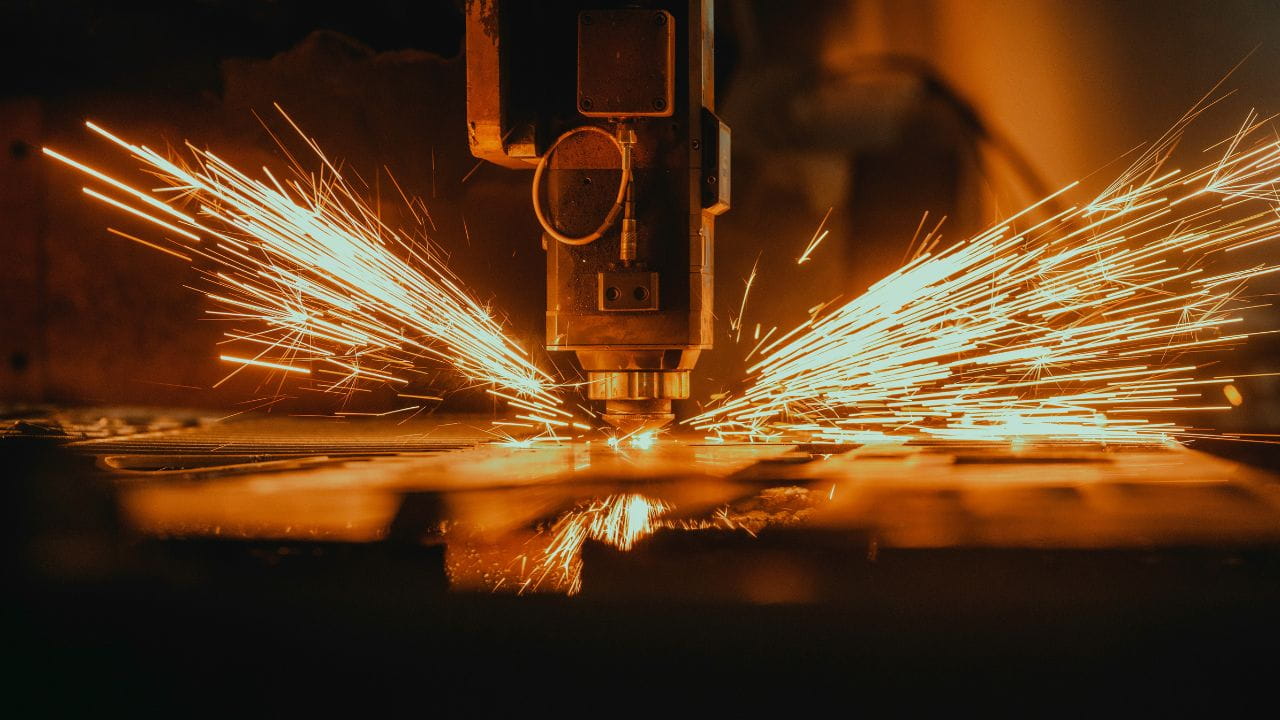
When it comes to manufacturing, many students find themselves comparing CNC vs. welding, wondering which path offers the best long-term prospects. It’s a good question, as the two fields have significant overlap as technology continues to evolve, melding in many respects. Both fields are highly skilled, hands-on, and in constant demand.
In fact, many professionals don’t choose one at all. Instead, they wind up studying both welding and machining, since the two skills complement each other so well. These days, it’s often less about choosing between CNC machining vs. welding and more a question of which skill set you decide to learn first.
Below, we’ll break down the differences between welding and CNC machining, explore how these professions overlap through CNC welding, and help you understand where to get the skills you’ll need to join the professionals building careers they love.
What is welding?
To weld is to bring two pieces together. So, put simply, welding is the permanent joining of two or more (usually metal) materials, using heat, pressure, or both. A welder’s job is to create durable bonds that hold up under stress, vibration, and prolonged environmental exposure.
Welders work across a range of fascinating industries, from construction and shipbuilding to aerospace and advanced manufacturing. Even if you’ve been living under a bridge, you’re benefiting from the work of welders nearly every day (since they probably helped weld that bridge you’ve been living under).
But modern welding goes far beyond bridges, sparks, and torches. Many welders in the 2020s work with automated systems, precise measurements, and highly advanced manufacturing techniques, which is where the lines between welding vs. machinist start to blur.
Because of this, those exploring CNC vs. welding often find that learning the skill of welding opens up a diverse set of career settings and hands-on work from the moment they’ve finished their certification.
What is CNC machining?
But before we move on to how these fields overlap, let’s look more closely at machining. CNC machining — short for Computer Numerical Control machining — is a subtractive manufacturing process. Where welding joins two or more materials, CNC machining removes material from a solid block to create precise parts and components.
Imagine a sculptor chipping away at a huge block of marble until a statue appears. A CNC machinist does the same, by programming and operating machines like lathes and mills to cut materials — metal, plastic, or other polymers — into exact shapes and pre-determined dimensions. This computer-aided precision is how CNC machining plays such a critical role in manufacturing and why it’s often compared directly when discussing CNC vs. welding.
To clarify, CNC machining, unlike welding, which builds a structure piece by piece, focuses on cutting a component from a block of material. After which, often this component will need to be joined to another to make up the final product, which brings us to the emerging field of CNC welding.
What is CNC welding?
As manufacturing technology evolves and becomes increasingly advanced, so do the jobs and skills needed in the workplace. That’s where CNC welding enters the scene.
CNC welding involves automated or semi-automated welding processes using computer-controlled systems that improve precision, consistency, and efficiency. Modern systems have begun integrating machining and welding steps into a single workflow, demonstrating how closely related these trades are becoming.
For the many still comparing CNC vs. welding, the emergence of CNC welding confirms that these two skills aren’t in competition; they complement each other. So if you’re looking to become the most valuable person in a manufacturing setting, understanding both subtractive machining and structural welding can make you an invaluable team member, as you can adapt to multiple stages of production. This overlap is a key reason the welding vs. machinist debate has been subtly shifting toward a blended skill set approach rather than a strict either-or decision.
How do I become a welder or a machinist?
Wherever you choose to enter the manufacturing field, welding or CNC machining, you’ll typically begin with hands-on training through a certificate or associate’s degree program that focuses on practical skills, safety, and up-to-date manufacturing techniques employers look for when hiring.
Students in these programs explore career-focused manufacturing courses designed to prepare them for today’s workforce. Whether you’re more interested in the fabrication side of the welding vs. machinist debate or want to explore an integrated path like CNC welding, training programs help build job-ready skills in a safe, controlled environment.
Launch your manufacturing career at Goodwin!
What jobs are available in welding and machining?
A consistent reason students compare CNC vs. welding is that both paths lead to in-demand, stable, hands-on careers in modern manufacturing. Of course, each field has slightly different areas of focus; there’s also the growing overlap we’ve been discussing, especially in advanced production environments that increasingly rely on precision, automation, and efficiency.
Let’s take a closer look at the career options available, whether you specialize or choose to combine these skills.
Careers in welding typically center more around structural strength, fabrication, and joining materials. These professionals are essential across construction, manufacturing, and industrial settings. A certificate in welding leads to welding-focused roles, such as:
- Resistance welding technician
- Structural iron and steel worker
- Welder or fabricator
- Welding inspector or quality technician
While a CNC machining career also emphasizes precision, it focuses more on programming and subtractive manufacturing processes. So, for those weighing welding vs. machining, CNC work may have wider appeal if you enjoy working with technology, measurements, and machine control.
CNC-focused roles include:
- CNC machinist (lathe and mill)
- CNC operator (lathe and mill)
- CNC programmer
- CNC setup technician
Finally, and here’s the kicker, many employers seek professionals who can combine welding and machining skills, especially in environments heavily reliant on automation or custom fabrication. Hybrid roles reflect the growing popularity of CNC welding and the desire to integrate and streamline manufacturing workflows.
Career options that blend these two skills include:
- Advanced fabrication specialist
- CNC welding technician
- Maintenance or industrial technician
- Manufacturing technician
For those having a tough time deciding on CNC vs. welding, hybrid roles like these offer both flexibility and expanded career potential.
Get the skills you need at Goodwin
Whether you begin with welding, CNC machining, or plan to build skills on both sides of the CNC vs. welding fence, Goodwin offers career-focused manufacturing programs designed to help you thrive in today’s quickly evolving workplace.
Emphasizing hands-on training that builds real-world skills on industry-standard equipment, Goodwin’s supportive instructors and programs are built around employer needs so students can confidently prepare for manufacturing careers that are practical, adaptable, and, most importantly, in demand.
Learn more about the manufacturing and machining programs at Goodwin University to see which program is the right next move for you.
Goodwin University is a nonprofit institution of higher education and is accredited by the New England Commission of Higher Education (NECHE), formerly known as the New England Association of Schools and Colleges (NEASC). Goodwin University was founded in 1999, with the goal of serving a diverse student population with career-focused degree programs that lead to strong employment outcomes.