
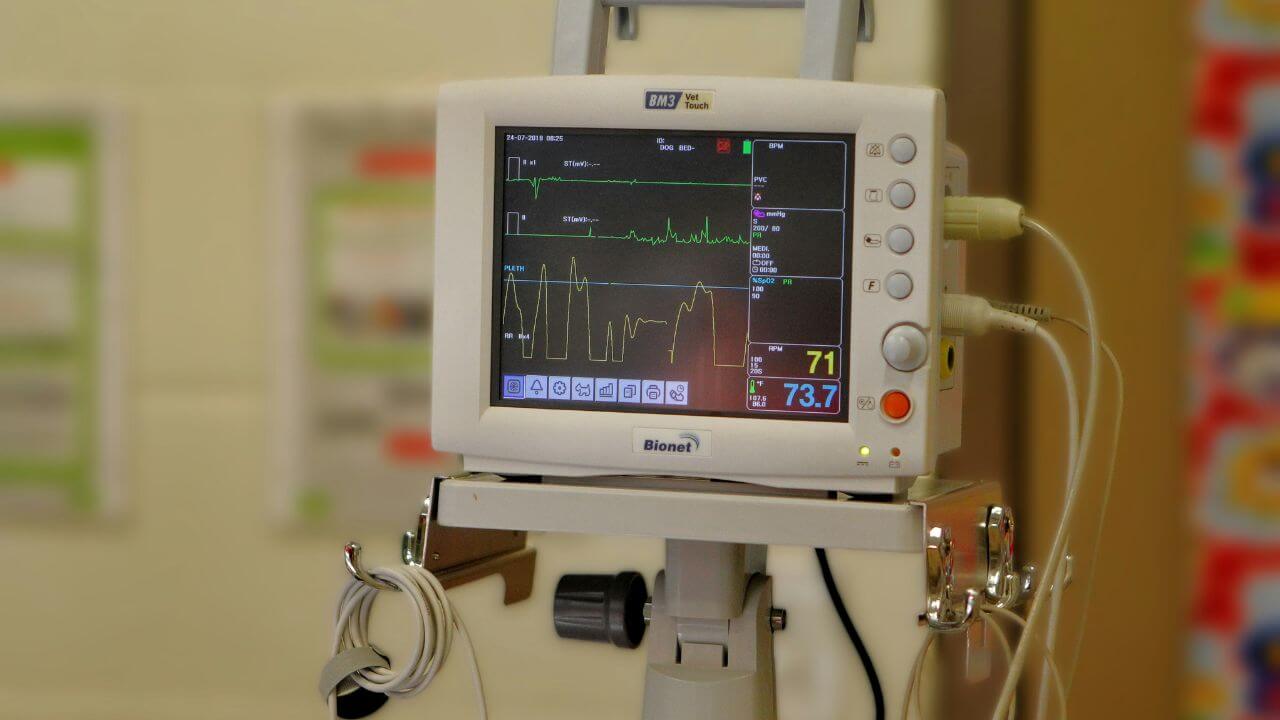
Electrocardiogram technicians, commonly referred to as EKG technicians, are specialized healthcare professionals who play a crucial role in evaluating and safeguarding heart health. Using dedicated technology, EKG techs perform diagnostic tests that enable doctors to detect (and treat) cardiac conditions like arrhythmias, heart disease, and more.
EKG technicians are the rhythm behind cardiac care, ensuring that providers get the readings they need to detect and treat heart problems in patients. If you’re interested in healthcare and making a direct impact quickly, becoming an EKG technician is an excellent choice.
In this guide, we’ll explore what an EKG technician does, where they can work, and how to get started in a profession where every beat counts.
Core responsibilities of an EKG technician
At a high-level, EKG technicians conduct diagnostic heart tests called electrocardiograms (EKGs/ECGs). To complete these tests, EKG technicians attach electrodes to patients’ bodies, operate the machine that records electrical activity in the heart, and deliver accurate readings to physicians for diagnosis. Electrocardiograms are used to diagnose heart attacks, arrhythmias, cardiomyopathy, coronary artery disease, and other related conditions. These tests are also used to monitor treatments, ensure pacemaker performance, and screen at-risk patients for heart disease.
Despite their title, however, EKG technicians do more than just operate EKG technology. These professionals also work closely with patients to ensure their comfort and understanding of the procedure, reading and documenting results along the way.
Here’s a summary of the job duties of an EKG technician:
- Prepare patients for testing, explaining procedures and positioning patients properly for the test
- Attach electrodes to specific points on the body (chest, arms, legs)
- Run EKG machines and capture electrical activity
- Monitor patients during tests, for any signs of distress or irregularities
- Print, summarize, and deliver accurate readings to physicians
- Document and file results in patients’ medical records
- Maintain EKG machines and related equipment
- Conduct stress tests when needed
- Set up and operate Holter monitors (portable EKG devices)
- Comply with hospital policies and healthcare standards
- Carry out some administrative tasks, such as scheduling EKG tests for patients
It’s important to note that while EKG technicians are essential to cardiac care, they are not responsible for diagnosing and treating heart conditions. EKG techs carry out the vital testing that’s needed to come to a diagnosis. However, physicians are responsible for deeply analyzing the results, making the diagnosis, and coordinating a treatment plan.
Make an impact fast—become an EKG technician at Goodwin.
Where do EKG technicians work?
As the prevalence of cardiovascular disease grows, so does the need for EKG testing and, therefore, EKG technicians. These professionals are in demand across a variety of healthcare environments, ranging from large hospitals to private practices.
According to the Bureau of Labor Statistics, the majority (75%) of EKG technicians work in hospitals. In this environment, EKG technicians are typically working in a dedicated room or space with EKG equipment.
In addition to hospitals, other common work environments for EKG techs include:
- Cardiology clinics
- Long-term care facilities
- Outpatient testing centers
- Physicians’ offices
Becoming an EKG technician
EKG technicians carry out specialized cardiac testing on a daily basis. And while the tests may be done on repeat, there is a lot of excitement in the day-to-day role! EKG technicians get to work with new patients from a variety of different backgrounds every day. They get to witness different conditions and cases, as well as analyze a wide range of potential results.
But one of the best parts of becoming an EKG technician? It doesn’t take a long investment in school! EKG technicians typically need a postsecondary certificate and professional certification, depending on the employer. These steps can be completed in just a matter of months.
Learn how to become an EKG technician here.
Skills required to become an EKG tech
How about the skills needed to land a great EKG role? Well, it dials back to their job duties: EKG technicians need to be well-versed in technology and patient care.
Here’s a look at the skills needed to carry out an EKG technician job:
- Attention-to-detail (tiny changes in EKG readings can matter, a lot!)
- Effective communication skills, to explain procedures to patients and deliver results to physicians
- Good bedside manner and empathy, comforting patients who may be anxious
- Knowledge of basic anatomy and medical terminology
- Proficiency in electrocardiogram machines and related technology
- Stamina, as EKG technicians often stand for long periods of time
Don’t skip a beat — take the leap at Goodwin
At Goodwin, aspiring EKG technicians can complete our comprehensive Patient Care Associate (PCA) program over the course of just three semesters. Students learn the ins and outs of electrocardiograms, including advanced methods and tactics, as well as basic nursing skills, patient care practices, and phlebotomy techniques. This program is designed to prepare students like you for a variety of impactful healthcare careers, including specialized EKG roles.
Goodwin is a recognized healthcare school in Connecticut, with a variety of career-focused programs that emphasize patient care. If you’re ready to get started, you may request more information online here!
Goodwin University is a nonprofit institution of higher education and is accredited by the New England Commission of Higher Education (NECHE), formerly known as the New England Association of Schools and Colleges (NEASC). Goodwin University was founded in 1999, with the goal of serving a diverse student population with career-focused degree programs that lead to strong employment outcomes.