
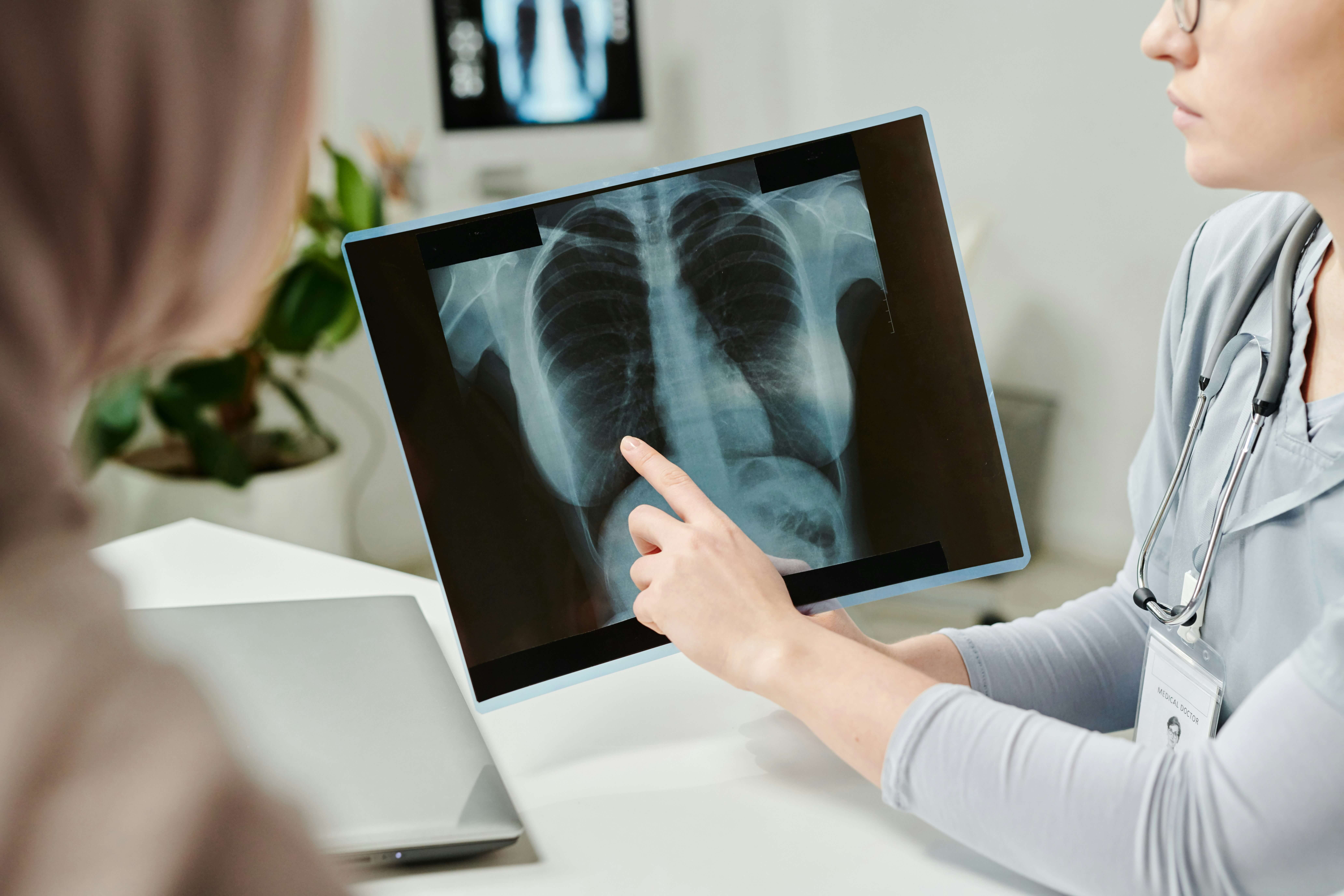
Diagnostic imaging, commonly seen in the form of MRIs and X-Rays, is a critical component of patient care. These images are generated using radiant energy and technology to capture views inside a patient’s body and make accurate diagnoses related to bones, tissues, organs, cells, and more.
Radiology is the formal terminology, or branch of medicine, that encompasses diagnostic imaging procedures like X-Rays, CT scans, ultrasounds, and MRIs. This broad field involves the process of taking medical images, diagnosing conditions based on images, and treating patients in need. And just as there are many different processes and technologies within radiology, there are also various professionals you’ll find within the field, including Radiologists and Radiographers.
If you’re considering a career working with advanced medical images and technology, it’s important to understand the various pathways you can take within the field, including radiography and radiology.
Below, we explain the differences between radiology vs. radiography, and the different career outcomes associated with each career path.
What is radiology?
Radiology is a broad field of medicine that specializes in diagnostic imaging and technology. This discipline goes beyond capturing medical images — it uses diagnostic imaging techniques to uncover, investigate, monitor, and treat a variety of conditions within the body. This might include broken bones, cancerous growths, infections, blockages, stroke, neurological disorders, and even pregnancies.
Radiologists are medical doctors who specialize in the analysis of medical images. These professionals interpret various screenings to diagnose and treat their patients. As doctors, radiologists are experts in human anatomy and have completed extensive training in residency and medical school.
What is radiography?
Radiography is a specific branch of radiology that involves capturing and processing medical images using X-Rays. In other words, radiography is a specific imaging technique. It involves operating advanced medical technology, such as X-Ray and MRI machines, to take pictures of internal parts of the body.
Radiographers, also known as radiologic technologists, are the technicians who specialize in this line of work. They work hands-on with various types of equipment and position their patients appropriately in order to capture precise, accurate images. These images are then passed on to a radiologist for diagnosis.
Get started in Radiography today!
Radiographers vs. radiologists
Radiographers work under the direction of radiologists, producing critical medical images that will be used for diagnosis and treatment. Radiologists, meanwhile, are the doctors responsible for interpreting images, analyzing conditions, making diagnoses, and coordinating treatment plans.
Radiographers are responsible for:
- Operating X-Ray, CT, MRI, ultrasound, and other types of imaging machines
- Positioning patients for images, while ensuring their safety and comfort
- Following radiation safety standards and protocols
- Reviewing diagnostic images for quality (re-taking as needed)
- Sharing images with radiologists for diagnosis and treatment
Radiologists are responsible for:
- Analyzing and interpreting diagnostic images from X-Rays, CT scans, MRIs, ultrasounds, and more
- Compiling diagnosis reports
- Consulting with medical team and referring physicians as needed
- Guiding minimally invasive procedures (known as radiologic intervention) to assist with certain treatments, such as biopsies
Because of their diverse scopes of practice, radiologists and radiographers have different requirements and expectations. Radiologists, as you can gather, require many years in medical school, followed by a residency and fellowship. Meanwhile, radiographers can receive specialized, hands-on training through an associate degree program, with the ability to enter the field in as little as two years’ time.
Key differences between radiology and radiography
While the two terms might sound the same — and while they are often used interchangeably — radiography and radiology are quite unique! Radiology is a broad field that involves the diagnosis and treatment of conditions using medical images, while radiography is the specialized technique or process of capturing them.
Here’s a summary of the key differences between radiologists and radiographers:
Scope of Practice and Responsibilities
Radiographers have a highly technical and hands-on career. They operate medical equipment like X-Ray and MRI machines to capture precise images of internal systems or parts within the body.
Radiologists interpret the diagnostic images captured by radiographers, and analyze the results to make diagnoses and treatment plans. As doctors, radiologists can also conduct minimally invasive procedures involving radiation and coordinate a variety of treatments with broader medical teams.
Career Requirements
Radiographers benefit from fast-entry into the medical field, as the educational requirements take about two years to complete. Specifically, radiographers need an associate degree in Radiography. Through this program, they gain specialized training in diagnostic imaging machinery and basic patient care procedures. Upon completion of their degree, radiographers must complete certification through the American Registry of Radiologic Technologists (ARRT).
Radiologists require several years in school, including a bachelor’s degree and four years in medical school, followed by several years of residency and fellowship training. Radiologists must also become licensed within their state of practice, and complete ongoing medical education to maintain licensure.
Skills Needed
Both radiologists and radiographers need skills in patient care, as both interact with patients on a regular basis. However, their distinct scope of practice requires diverse skillsets. Specifically:
Radiographers need highly technical skills in the operation of medical equipment. They must also have fine motor skills, strong attention to detail, and good communication with both patients and doctors.
Radiologists, on the other hand, need strong skills in problem-solving, analysis, critical thinking, and research, with deep knowledge of anatomy and health conditions. As such, they require a longer time in school.
Start your career today!
Whether you want to get into radiography quickly and make an impact, or have long-term goals of becoming a radiologist, Goodwin offers a place to begin your career journey. Our associate degree in Radiologic Technology is designed to prepare students for meaningful careers as radiographers, where they can begin work in hospitals, outpatient care centers, physicians’ offices, imaging centers, and more.
This program allows you to enter the workforce fast and still prepare for advancement down the road. Many radiography students go on to complete their bachelor’s degree in Health Science, broadening their knowledge and moving into leadership, education, or advanced clinical positions.
Interested in learning more? Check out our Radiography degree program online today and request more information.
Goodwin University is a nonprofit institution of higher education and is accredited by the New England Commission of Higher Education (NECHE), formerly known as the New England Association of Schools and Colleges (NEASC). Goodwin University was founded in 1999, with the goal of serving a diverse student population with career-focused degree programs that lead to strong employment outcomes.